
The memory chip industry, known for its boom-and-bust cycles, has changed its ways, according to Bloomberg. "Tighter management and new markets for products, namely 5G technology and cloud services, will ensure that companies achieve more predictable earnings," the memory company made such a statement less than a year after the $160 billion industry was suffering one of its worst setbacks ever: a glut of chips in inventory, customers cutting orders and product prices plummeted.
The unprecedented crisis has not only depleted industry leaders SK Hynix and Micron Technology, but has also shaken up those companies' suppliers, weakened Asian economies that rely on technology exports and forced a handful of remaining memory makers to form alliances or even form coalitions to consider mergers, according to the report.
Samsung Electronics and its competitors are losing money on every chip they produce. Their collective operating loss this year is expected to reach a record $5 billion. Inventories have more than tripled to a record three to four months of supply.
Still, Samsung is the only memory company that is generally unaffected, thanks to its large and diversified business, but its semiconductor division is also headed for a loss. On Tuesday, Samsung will report its fourth-quarter earnings, followed by a conference call in which analysts may question its capacity management plans.
Micron, a U.S. memory chip maker, said late last month that it would cut budgets for new plants and equipment in addition to cutting production. CEO Sanjay Mehrotra said the pace of the industry itself will depend on how quickly the company's peers take similar action.
In addition, SK Hynix has cut investments and scaled back production. The company's excess inventory is partly due to its acquisition of Intel Corp.'s flash memory business - a deal that was struck before the industry's downturn.
The memory industry has seen mergers and acquisitions during all downturns, and this one is no exception. Talks of a deal between NAND maker Western Digital and Armor Man are progressing, people familiar with the matter said this month.
source:aijiwei



Stay up to date with the latest in industry offers by subscribing us. Our newsletter is your key to receiving expert tips.
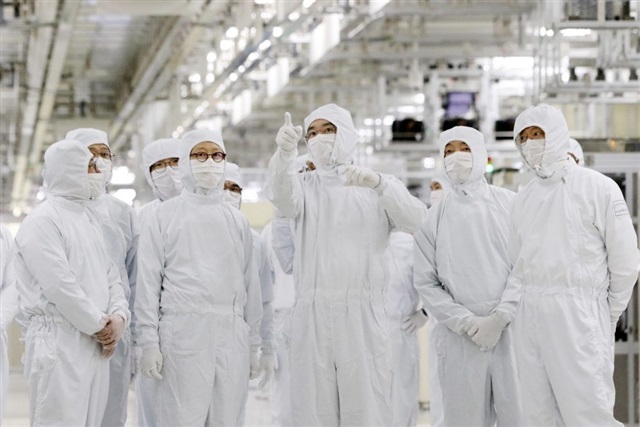
The artificial intelligence(AI) boom is triggering an unprecedented expansion race among the world's largest memory chipmakers.Surging demand for high-bandwidth memory (HBM) and high-performance D
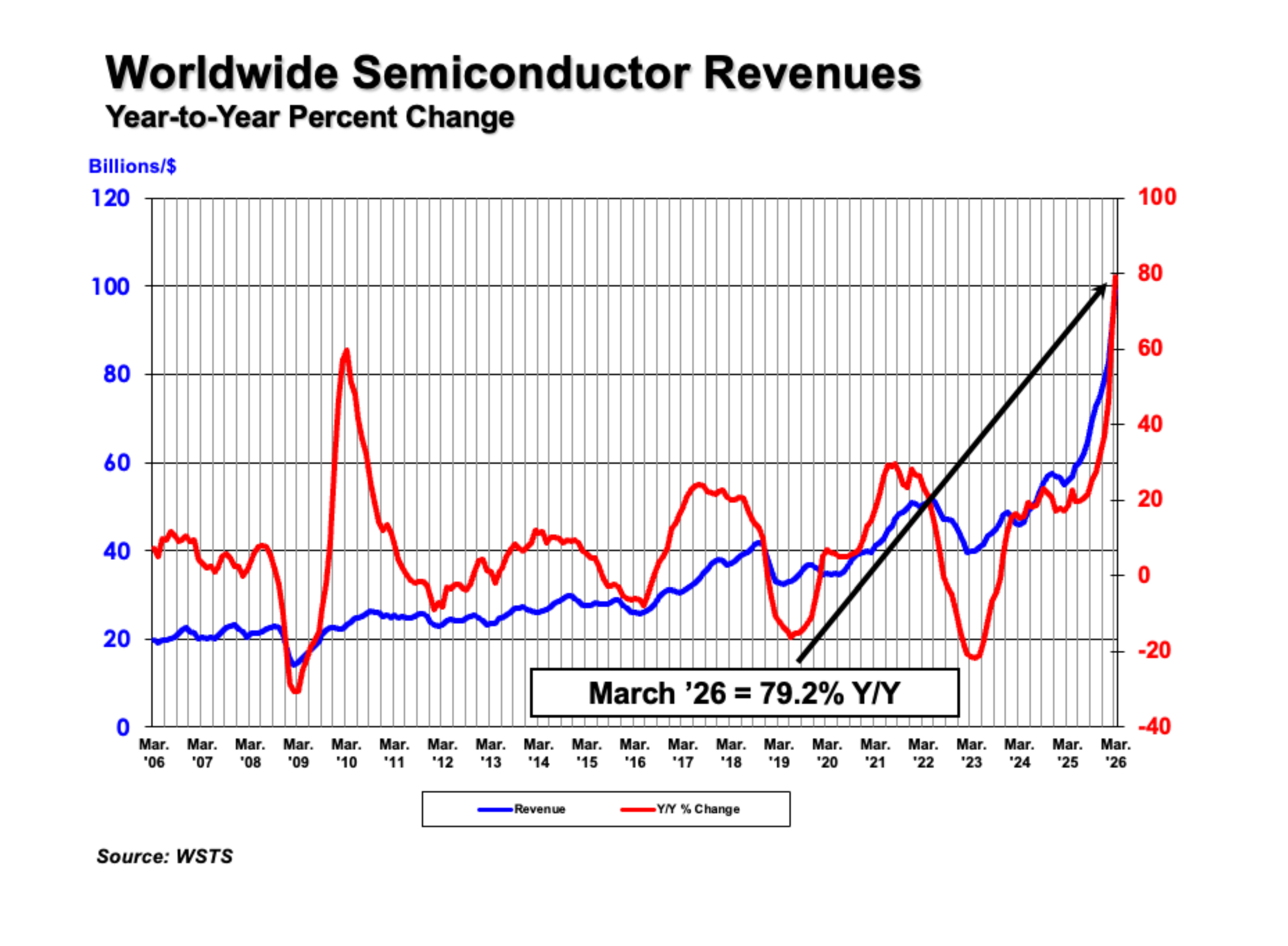
The Semiconductor Industry Association (SIA) today announced global semiconductor sales were $298.5 billion during the first quarter of 2026, an increase of 25% compared to Q4 of 2025. Global sales we

Texas Instruments (TI) reported robust results for the first quarter of 2026 on April 23, driven by surging AI data center demand and a notable rebound in industrial control applications. TI stressed


