
Despite recent improvements, the automotive chip shortage is unlikely to be fully resolved until 2024, as supply growth cannot keep up with the rapid growth in demand, according to automotive supply chain sources, Digitimes reported.
In response to the ongoing chip crunch, some automakers have begun adjusting their 2023 vehicle designs so that chips with the same functionality can be sourced from more than two suppliers, or chips from the same supplier can accept different pins. In this way, they can respond more flexibly to shortages of automotive chips, mainly MCUs, MPUs and IGBT chips and modules, the sources said.
The shortage of some chips and components made it difficult to assemble as a whole in the short term, affecting the normal production of cars and instead leading to an increase in the inventory of other components instead of a shortage. This has led automotive customers to adjust their order schedules or slow down shipments from customers with sufficient supply, the sources continued.
Automotive semiconductors will continue to be supply-constrained due to two major factors. One is the limited growth in the supply of automotive chip process capacity. If the foundry's capacity has been validated by automotive customers, it will take at least six months to convert their process capabilities to manufacture automotive chips, and for process capabilities that have not yet been certified for automotive chip production, they will need to spend another 2-3 years to complete validation.
Another factor is the lack of transparency in the uneven supply of chips and components. Two years ago, some channel players tried to consolidate the uneven supply of components faced by supply chain participants to achieve the best ratio of overall supply, but did not succeed, the sources said. idm, tier-one suppliers and automakers usually treat which components are in short supply as confidential.
According to research firm Yole Development, the value of semiconductors used in vehicles is estimated to grow from $550 in 2021 to $912 by 2027, with the corresponding number increasing from 820 to 1,100 chips, due to the growing popularity of electric and self-driving cars.
source:aijiwei



Stay up to date with the latest in industry offers by subscribing us. Our newsletter is your key to receiving expert tips.
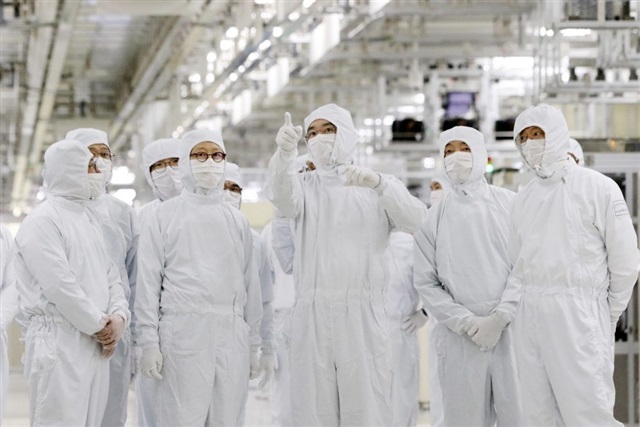
The artificial intelligence(AI) boom is triggering an unprecedented expansion race among the world's largest memory chipmakers.Surging demand for high-bandwidth memory (HBM) and high-performance D
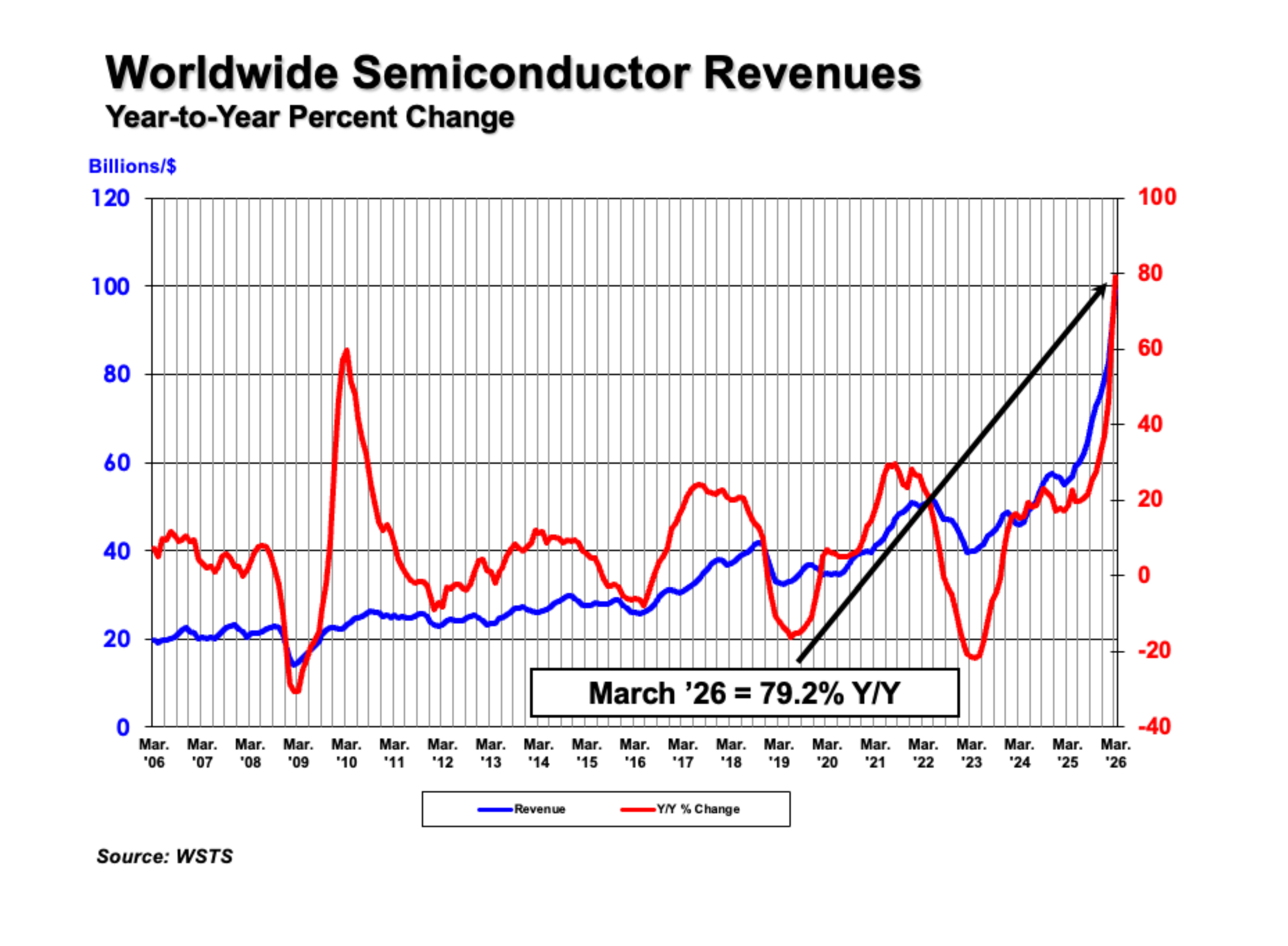
The Semiconductor Industry Association (SIA) today announced global semiconductor sales were $298.5 billion during the first quarter of 2026, an increase of 25% compared to Q4 of 2025. Global sales we

Texas Instruments (TI) reported robust results for the first quarter of 2026 on April 23, driven by surging AI data center demand and a notable rebound in industrial control applications. TI stressed


