
Market research firm SNE Research said on Oct. 6 that global EV battery usage from January to August this year was 287.6 GWh, which was up 78.7 percent from a year ago. usage of CATL EV batteries rose 114.7 percent year-on-year to 102.2 GWh, and the company's market share rose from 29.6 percent to 35.5 percent.
In comparison, LG Energy Solutions' market share fell from 22.3% to 13.7%, while the combined market share of SK On, Samsung SDI and LG Energy Solutions fell from 33.5% to 25%. BYD's EV battery usage, on the other hand, grew over 192% year-over-year.
Right now, Chinese companies are rapidly expanding their overseas operations. Companies like CATL recently announced that its cylindrical batteries will be supplied to BMW starting in 2025. Currently, cylindrical batteries are a major product for LG Energy Solutions, Samsung SDI and Panasonic.
CATL is currently building a 100 GWh per year plant in Hungary with an investment of €7.3 billion. This is CATL's second plant to be built in Europe, after the German plant scheduled to be operational this year. In addition, it is considering building a third plant in Europe to double its production.
China is dominating EV battery minerals, which is a huge advantage for Chinese EV battery makers. When it comes to mineral processing and smelting, China has a 50 to 70 percent market share in different areas. The raw materials used by Korean EV battery manufacturers are in most cases imported from China.
source:ECCN


Stay up to date with the latest in industry offers by subscribing us. Our newsletter is your key to receiving expert tips.
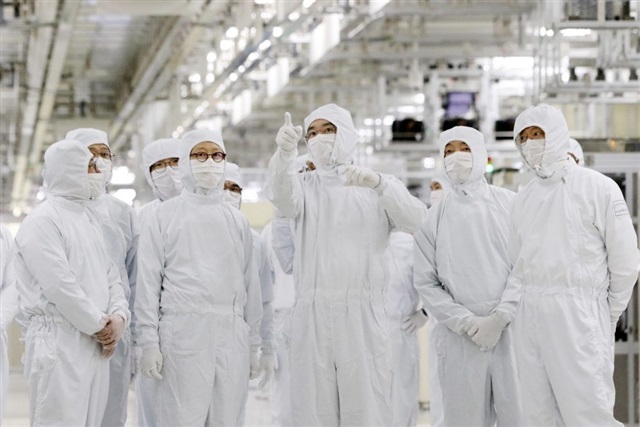
The artificial intelligence(AI) boom is triggering an unprecedented expansion race among the world's largest memory chipmakers.Surging demand for high-bandwidth memory (HBM) and high-performance D
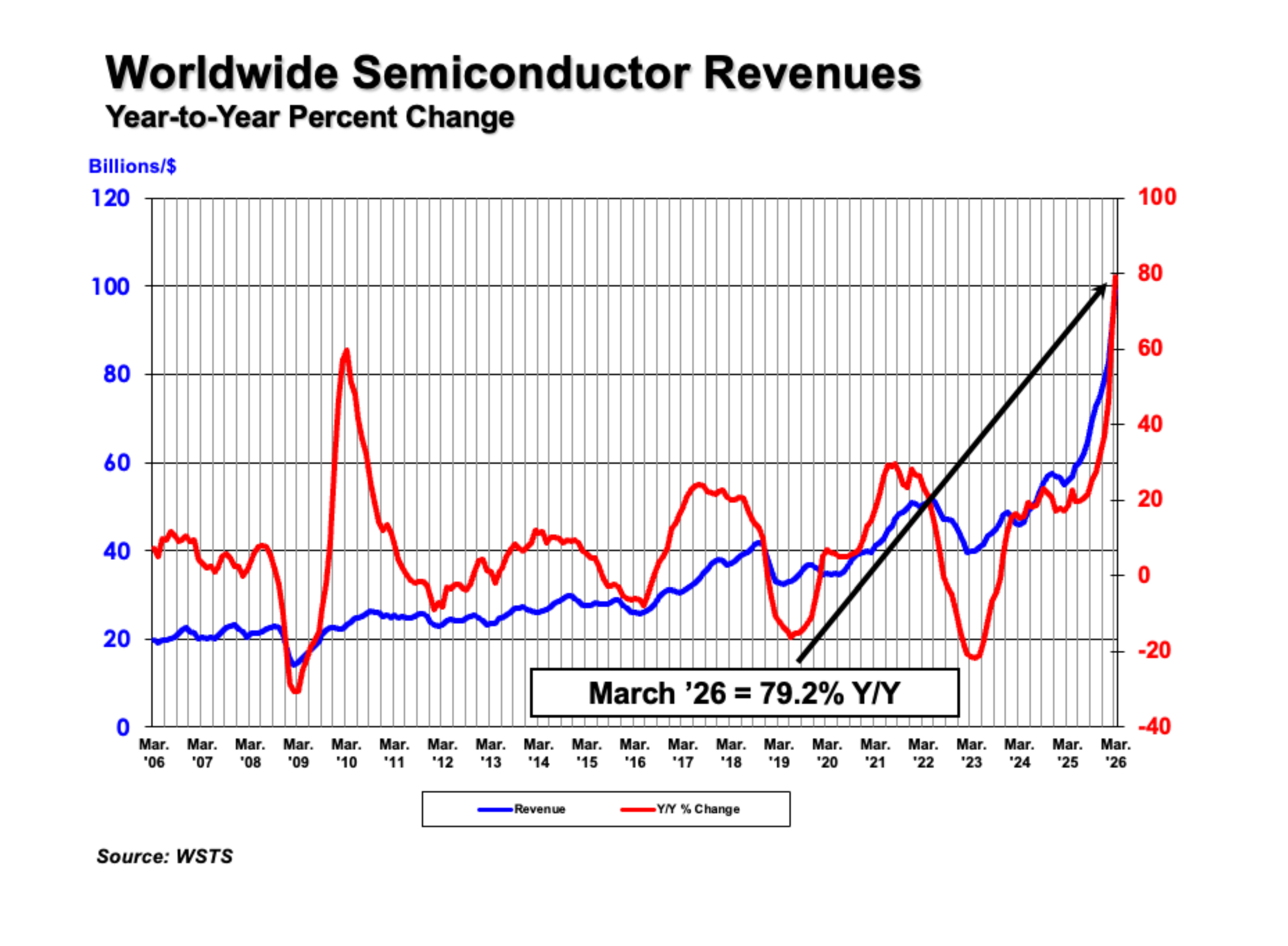
The Semiconductor Industry Association (SIA) today announced global semiconductor sales were $298.5 billion during the first quarter of 2026, an increase of 25% compared to Q4 of 2025. Global sales we

Texas Instruments (TI) reported robust results for the first quarter of 2026 on April 23, driven by surging AI data center demand and a notable rebound in industrial control applications. TI stressed


