
According to foreign media reports, the current situation of the memory chip market is not optimistic, subject to the global economic recession concerns caused by the slowdown in demand, has affected the demand for end products, which in turn affects the demand for memory chips, research institutions are expected to NAND flash and DRAM prices are declining, the market oversupply situation will intensify next year.
Memory chip demand is slowing, but Samsung Electronics executives said they do not intend to reduce production
Memory chip demand slowdown, price decline, will inevitably affect Samsung Electronics, SK Hynix and other memory chip manufacturers, Samsung Electronics is currently the world's largest memory chip manufacturer, memory chips are also an important source of revenue and profits for them.
In the decline in demand and prices, product manufacturers usually cut production to reduce inventory pressure, improve supply and demand conditions and thus stabilize prices, but in the case of a decline in demand for memory chips, Samsung Electronics does not intend to cut production.
Samsung Electronics does not intend to cut production, is their executive vice president and global marketing head of the storage business Han Jin-man, in San Jose, California, at a conference, he said they did not have internal discussions on cutting production of memory chips.
Han Jin-man also revealed at the meeting that Samsung Electronics' basic position on the issue of cutting production of memory chips is that there should be no artificial reduction in production, and that Samsung is working to ensure that there is neither a chronic shortage nor an oversupply of chips in the market.
Although Samsung Electronics does not intend to cut the production of memory chips, but the memory chip manufacturer Micron Technology, but there are considerations. Foreign media reports mentioned that Micron Technology has indicated that they may cut capital expenditures for fiscal year 2023 (through the end of September 2023), by up to 30%, and spending on chip equipment, by up to 50%, to slow supply growth.
source:IT zhijia


Stay up to date with the latest in industry offers by subscribing us. Our newsletter is your key to receiving expert tips.
The artificial intelligence(AI) boom is triggering an unprecedented expansion race among the world's largest memory chipmakers.Surging demand for high-bandwidth memory (HBM) and high-performance D
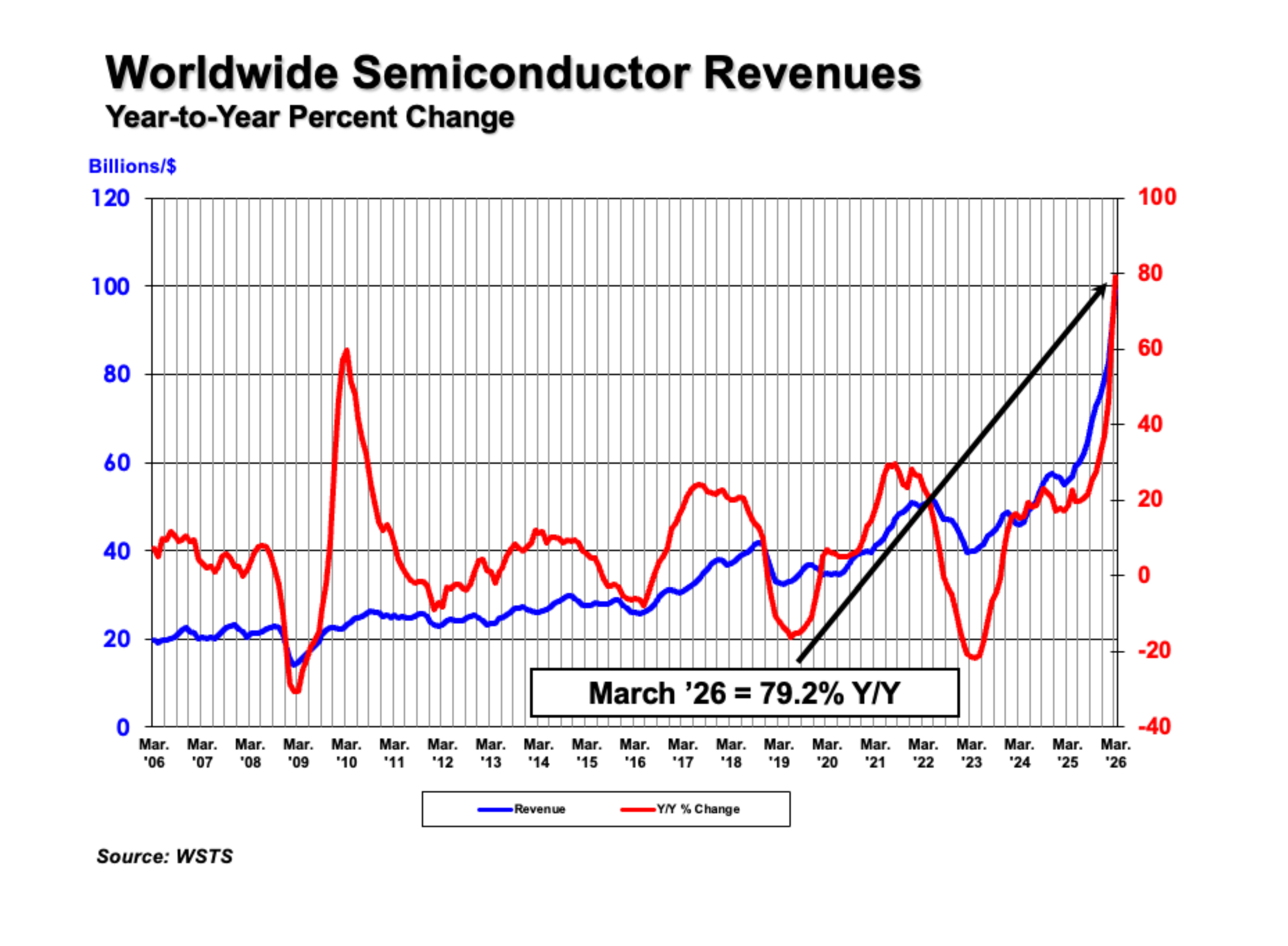
The Semiconductor Industry Association (SIA) today announced global semiconductor sales were $298.5 billion during the first quarter of 2026, an increase of 25% compared to Q4 of 2025. Global sales we

Texas Instruments (TI) reported robust results for the first quarter of 2026 on April 23, driven by surging AI data center demand and a notable rebound in industrial control applications. TI stressed


