
Automotive parts and module suppliers intend to raise prices due to rising material costs and other expenses, according to industry sources.
While the extreme material shortages of the past two years have eased, shortages of certain ICs persist, according to Electronic Times. According to automotive module suppliers, tier-one suppliers have been adjusting their orders weekly for the past two months, with orders from automotive customers increasing and decreasing. Sources noted that shortages of special ICs and control boards have not yet eased, and suppliers still need to match the pull-in adjustments.
"Automotive component and module suppliers have received a positive response when discussing price increases with their Tier 1 customers. Because Tier 1 understands that all costs have increased significantly in recent years, upstream suppliers have also borne the burden of declining gross margins," The source said.
It is reported that the market research agency had predicted that the shortage of automotive semiconductors may continue at least until 2023. While some automakers say they have resumed full production, most automakers report that automotive semiconductors are still in short supply. The shortage will prevent automakers from producing enough cars to meet demand in 2022 and 2023, resulting in continued high prices for most cars.
source:aijiwei


Stay up to date with the latest in industry offers by subscribing us. Our newsletter is your key to receiving expert tips.
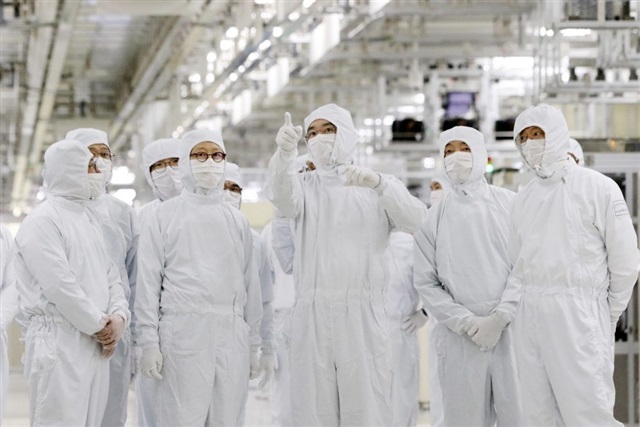
The artificial intelligence(AI) boom is triggering an unprecedented expansion race among the world's largest memory chipmakers.Surging demand for high-bandwidth memory (HBM) and high-performance D
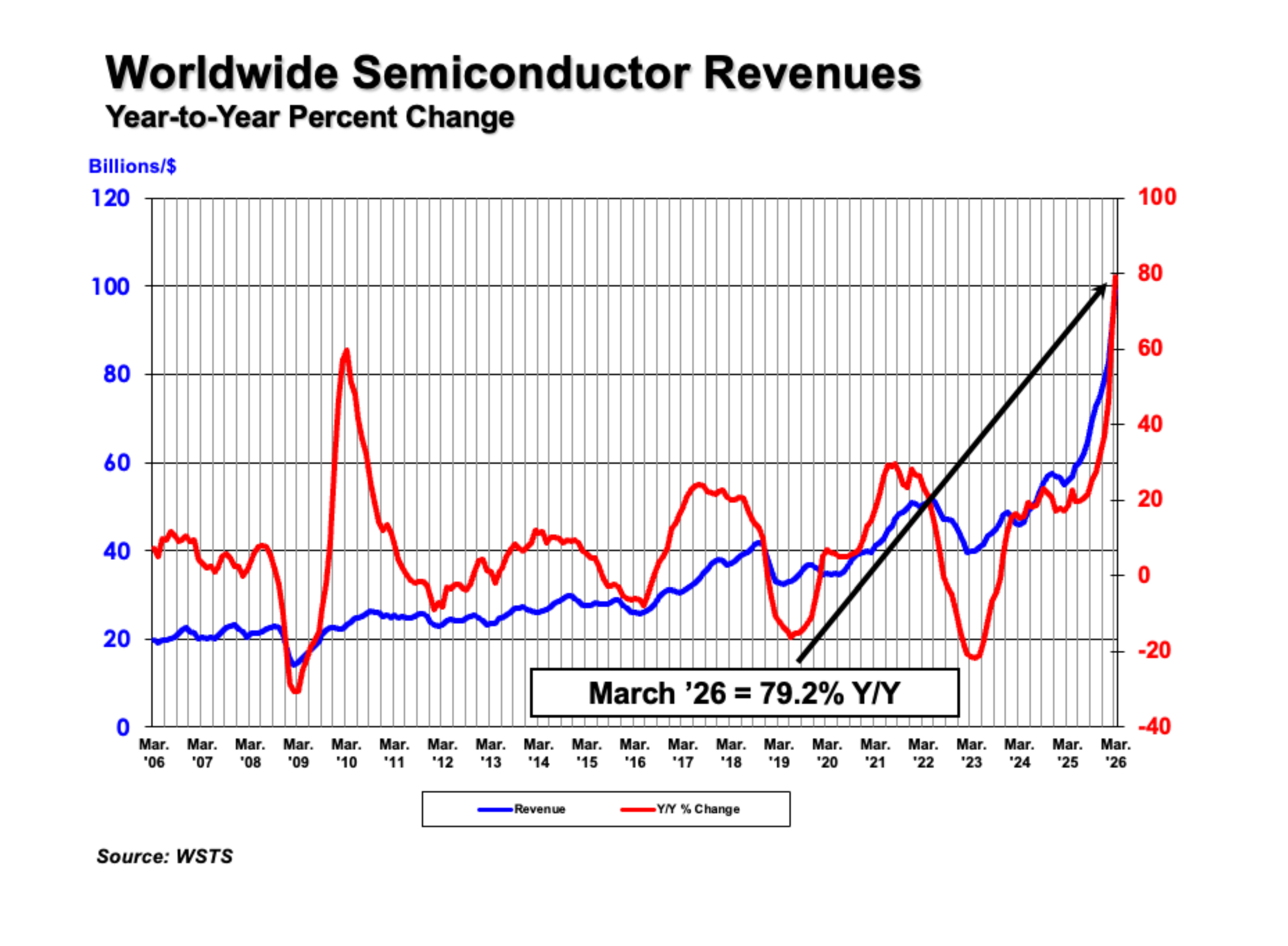
The Semiconductor Industry Association (SIA) today announced global semiconductor sales were $298.5 billion during the first quarter of 2026, an increase of 25% compared to Q4 of 2025. Global sales we

Texas Instruments (TI) reported robust results for the first quarter of 2026 on April 23, driven by surging AI data center demand and a notable rebound in industrial control applications. TI stressed


