
According to the report from Bloomberg on July 14, Dutch foreign minister Wopke Hoekstra confirmed that the Netherlands and the U.S. are holding discussions on blocking ASML Holding NV from selling to China technology used in making a large chunk of the world's chips.
Wopke Hoekstra said in an interview in The Hague, "What I can tell you is that it does make sense that you always liaise with friends when certain goods have broader strategic implications and ramifications across the globe. Of course, you have conversations about that, and that we do."
On July 6, Bloomberg quoting a person familiar with the matter reported that the U.S. was pushing the Dutch government to restrict ASML from selling the Chinese Mainland the essential equipment used in most chip manufacturing, including the major lithography machine DUV machine, to restrain China's semiconductor rise.
On July 8, Bloomberg again reported that the U.S. Commerce Department responsible for export controls was discussing the possibility of banning the export of chip manufacturing equipment to China's fabs able to make process chips at 14nm and below.
It was also reported that if the U.S. Commerce Department moves forward with this concept, which has not yet been drafted as a formal proposal, the U.S. will look to bring in allies such as the Netherlands, Japan and South Korea, which have top chip manufacturing equipment.
The response from the Foreign Minister Wopke Hoekstra demonstrated the U.S. and the Netherlands are indeed holding discussions on blocking the lithography machine giant ASML Holding NV from selling technology used in chip manufacturing to China.
Last week, Chinese Foreign Ministry Spokesperson Lijian Zhao criticized the U.S. at a press conference for abusing state power to impose a technology blockade on other countries, which will only prompt them to become independent and self-reliant in science and technology quickly. "Those who seek to block others' way will only end up blocking their own way," said Zhao. He also implicitly appealed to the Netherlands and Japan to adopt an objective and impartial stance on this matter and make independent decisions based on their own long-term interests and the market principles of equity and fairness.
The Dutch government has not agreed to the restriction. China is the third largest trading partner of the Netherlands, after Germany and Belgium.
ASML's CEO Peter Wennink said earlier this year that he opposed a ban on selling DUV lithography equipment to Chinese customers because it is already a mature technology. Based on the data revealed by the company and Bloomberg's investigations, ASML's plants located in China contribute to 14.7% of its total revenue in 2021.
Source from Xinzhixun


Stay up to date with the latest in industry offers by subscribing us. Our newsletter is your key to receiving expert tips.
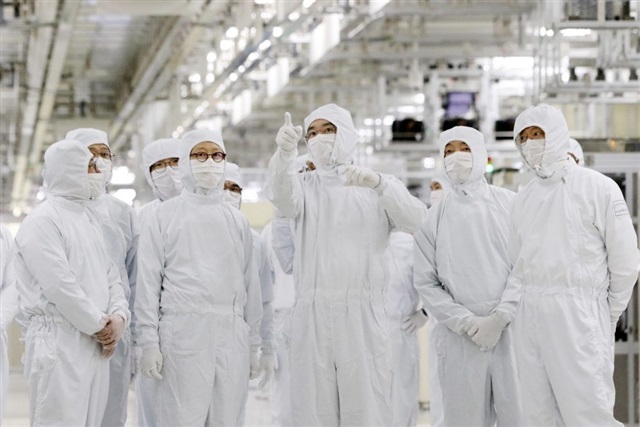
The artificial intelligence(AI) boom is triggering an unprecedented expansion race among the world's largest memory chipmakers.Surging demand for high-bandwidth memory (HBM) and high-performance D
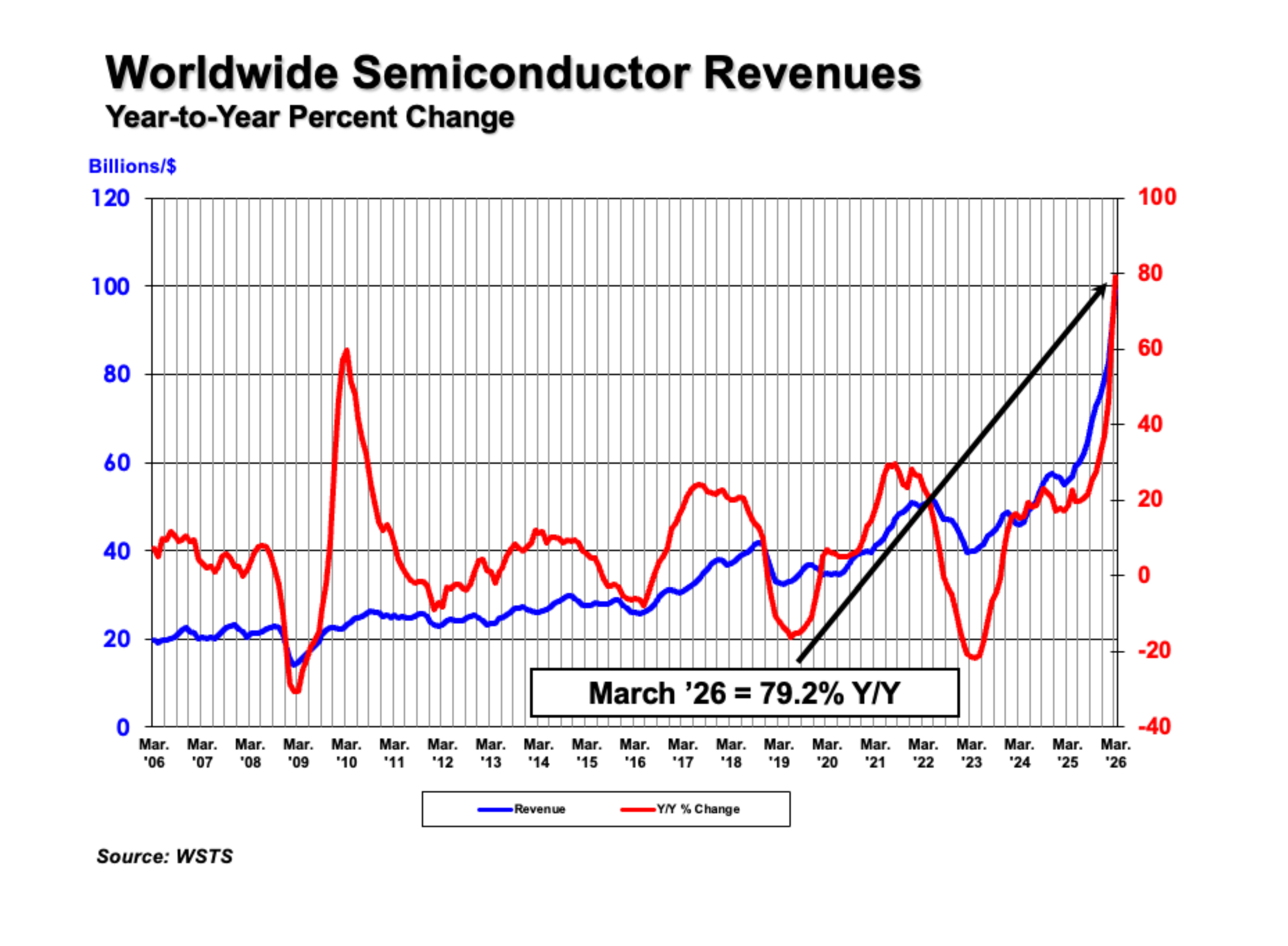
The Semiconductor Industry Association (SIA) today announced global semiconductor sales were $298.5 billion during the first quarter of 2026, an increase of 25% compared to Q4 of 2025. Global sales we
Texas Instruments (TI) reported robust results for the first quarter of 2026 on April 23, driven by surging AI data center demand and a notable rebound in industrial control applications. TI stressed


