
Taiwan media reported on July 11 that Samsung recently notified its supply chain that the suspension of procurement, which had been planned to end up at the end of July, has been postponed to the end of August. Some categories of materials will not be purchased until the end of the year. The performance of related manufacturers in the next half-year may be hurt.
Reportedly, Samsung extending the suspension of procurement means an overall high inventory level. The previous repeated ordering may bring more serious results than expected, among which the sales of mid-range smartphones have been most heavily affected. Hence, Samsung’s current suspension mainly focuses on the manufacturers related to the supply chains of smartphones. Some industrial insiders said Samsung’s suspension of purchasing could be even worse than cutting orders. After all, order cutting means decreasing quantity, while purchasing break means null.
It was originally believed that if Samsung pauses the procurement in July only, the supply chain could maintain its agility by stockpiling goods in distributors or other methods. However, there will be no place to store the components if the purchasing suspension is extended to the end of August, resulting in a bad performance in the traditional peak season in the second half-year.
The supply chain revealed that inflation leads to the decline in public consumption, hitting the sales of mid-range smartphones, which triggers Samsung to pause purchasing further.
Source from Xinzhixun


Stay up to date with the latest in industry offers by subscribing us. Our newsletter is your key to receiving expert tips.
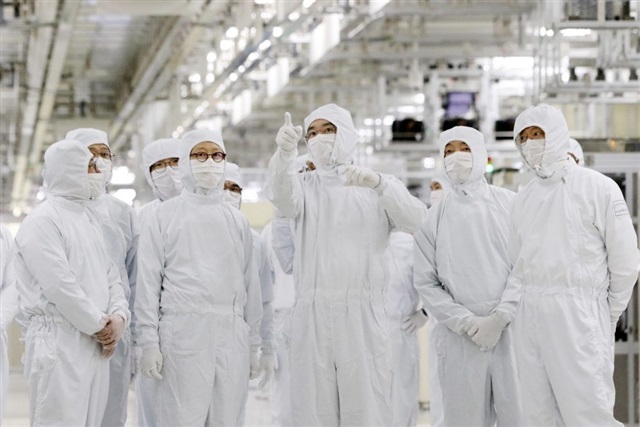
The artificial intelligence(AI) boom is triggering an unprecedented expansion race among the world's largest memory chipmakers.Surging demand for high-bandwidth memory (HBM) and high-performance D
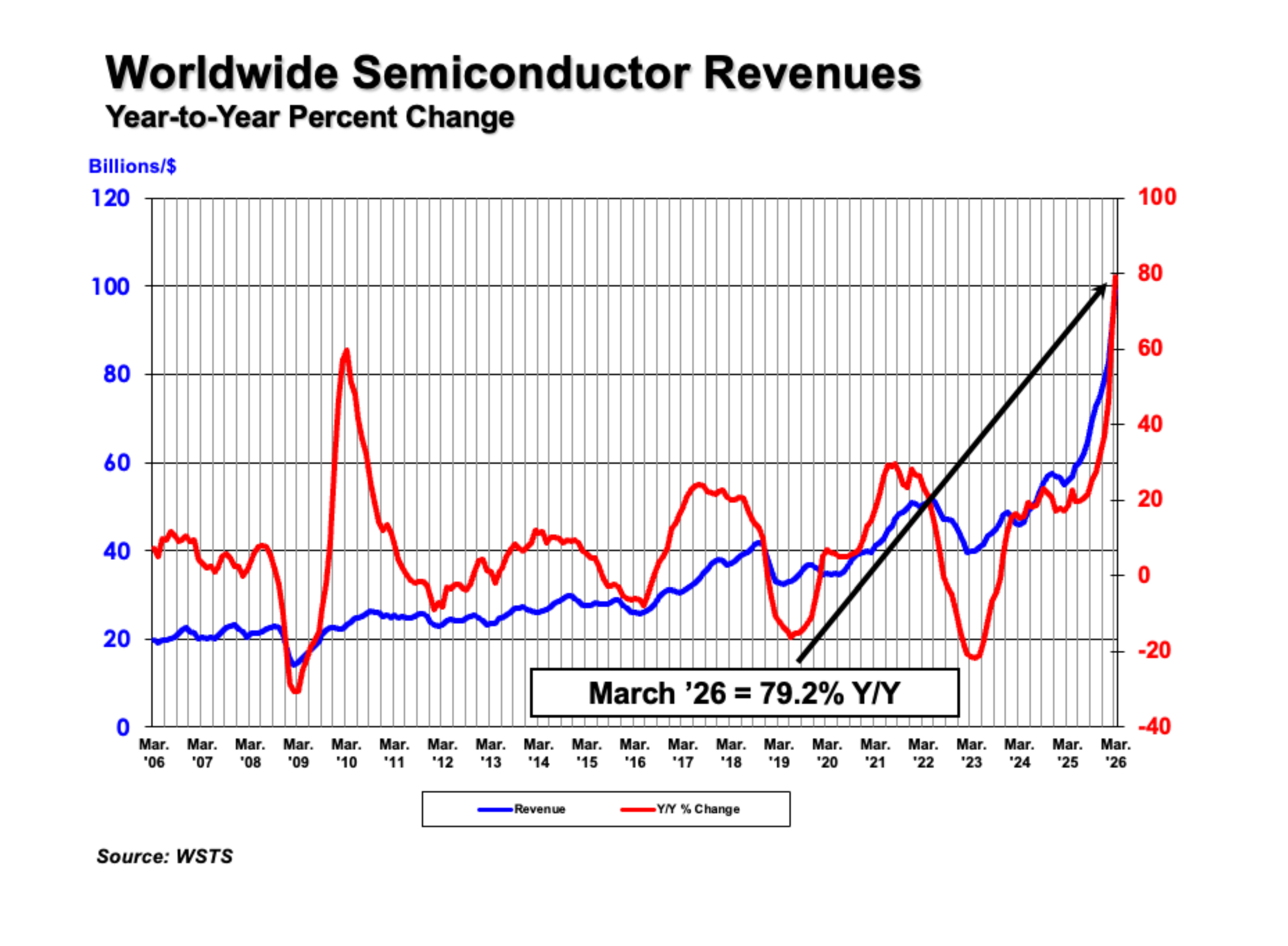
The Semiconductor Industry Association (SIA) today announced global semiconductor sales were $298.5 billion during the first quarter of 2026, an increase of 25% compared to Q4 of 2025. Global sales we

Texas Instruments (TI) reported robust results for the first quarter of 2026 on April 23, driven by surging AI data center demand and a notable rebound in industrial control applications. TI stressed


