
Although the demand for consumer electronics is decreasing, the supply of automotive MCUs is expected to stay tight until 2023, according to industry sources.
According to Digitimes, the electrification of vehicles is driving the use of electronics in vehicles. Demand for key automotive microcontroller units (MCU) continues to be hot. Taiwan-based semiconductor manufacturers estimate a single vehicle needs 20-30 MCUs. In the future, luxury vehicle models may need up to 100 MCUs, which is higher than the previously estimated 70 units.
With respect to the automotive MCUs, the manufacturers based in Chinese mainland constantly achieve great breakthroughs. For example, GigaDevice Semiconductor said that its sample of the 40-nm automotive MCU had been sent to the customers. SinoWealth estimated that its newly-developed automotive MCU would be released in the middle of the year. Chipsea also announced it is developing the MCU chip, mainly divided into M-series and R-series; the M-series chip is mainly introduced into the manufacturing of bodywork including windows, wipers, lamps, etc.; the R-series chip is introduced into manufacturing chassis and dynamical system. The above products are being developed as planned.
Source from ijiwei.com


Stay up to date with the latest in industry offers by subscribing us. Our newsletter is your key to receiving expert tips.
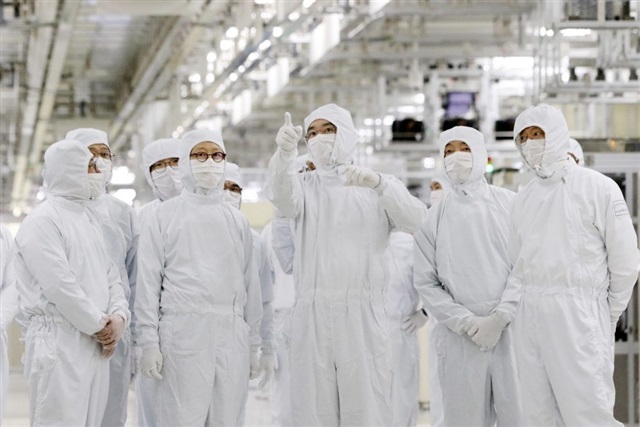
The artificial intelligence(AI) boom is triggering an unprecedented expansion race among the world's largest memory chipmakers.Surging demand for high-bandwidth memory (HBM) and high-performance D
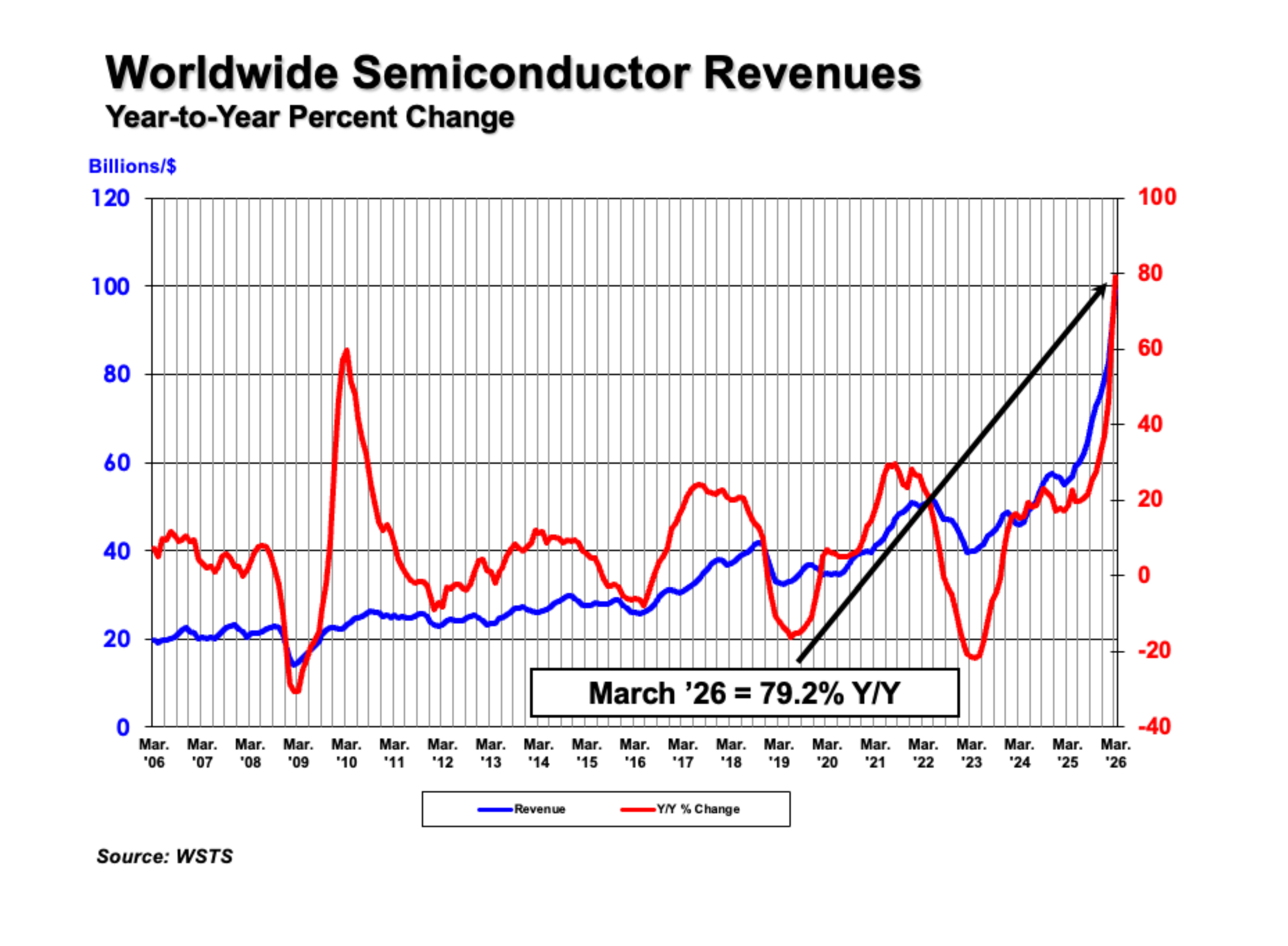
The Semiconductor Industry Association (SIA) today announced global semiconductor sales were $298.5 billion during the first quarter of 2026, an increase of 25% compared to Q4 of 2025. Global sales we

Texas Instruments (TI) reported robust results for the first quarter of 2026 on April 23, driven by surging AI data center demand and a notable rebound in industrial control applications. TI stressed


