
At the end of 2020, 17 of the 27 countries in the EU jointly issued a joint statement on European processors and semiconductor technologies, aiming to encourage research and investment in advanced processors and semiconductor processes in the EU. The European Union has schemed to increase its global semiconductor market share, hoping to account for 20% of global production by 2030. Its current market share is 10%, lower than in East Asia and North America.
One step to achieve the goal is to encourage the manufacturers from other countries to set up new fabs in Europe, such as attracting Intel to build a new fab in Magdeburg, Germany; while TSMC, the world's largest foundry, does not seem to be very interested in it owing to its lack of customers and the high fab-construction costs in Europe. Other companies that already have had fabs in Europe are eager to take actions for the sake of high subsidies, including STMicroelectronics and GlobalFoundries.
According to the relevant media, ST and GlobalFoundries aimed to get high subsidies like Intel to reduce construction costs. ST is headquartered in Geneva, Switzerland, with a new fab located in France; GlobalFoundries is headquartered in New York, the U.S., currently owning a large fab in Dresden, Germany, and may expand it nearby.
Since the main foundry markets of ST and GlobalFoundries are MCUs, sensors, MEMS, and automotive chips, they will not depend on cutting-edge manufacturing processes in production. Earlier this year, ST and GlobalFoundries announced a partnership. Some industry insiders speculate that the new fabs are likely to focus on chips needed in European industries such as automotive.
Source from Tencent


Stay up to date with the latest in industry offers by subscribing us. Our newsletter is your key to receiving expert tips.
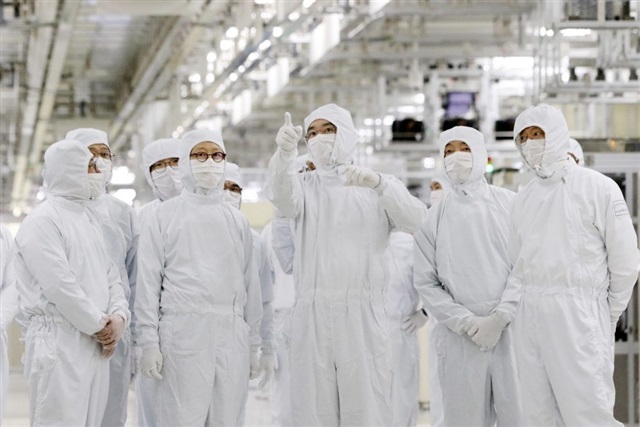
The artificial intelligence(AI) boom is triggering an unprecedented expansion race among the world's largest memory chipmakers.Surging demand for high-bandwidth memory (HBM) and high-performance D
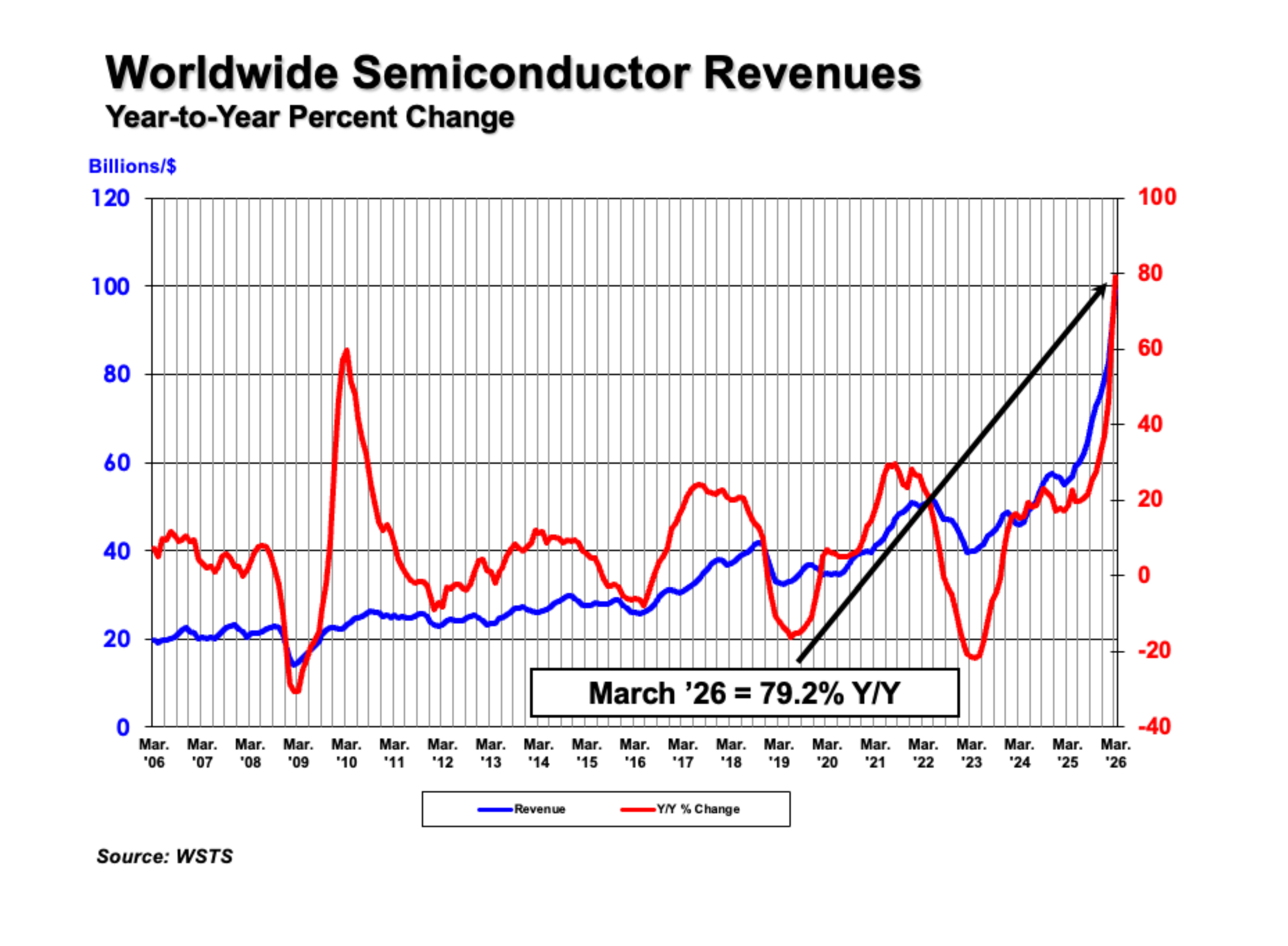
The Semiconductor Industry Association (SIA) today announced global semiconductor sales were $298.5 billion during the first quarter of 2026, an increase of 25% compared to Q4 of 2025. Global sales we
Texas Instruments (TI) reported robust results for the first quarter of 2026 on April 23, driven by surging AI data center demand and a notable rebound in industrial control applications. TI stressed


