
Rambus unveiled its latest innovation in the realm of cybersecurity: the first installment of its Quantum Safe security IP products, featuring the next-generation Root of Trust tailored for fortifying data center and communications security. In an era when the imminent potential of quantum computers threatens to compromise existing asymmetric encryption methods, Rambus is taking proactive measures to safeguard vital data and assets from impending threats.
In an interview with EE Times, Bart Stevens, a marketing executive at Rambus, said this new generation of the Rambus Root of Trust is a flagship first product in the company’s Quantum Safe IP portfolio, offering customers complete security solutions for the data center and advanced workloads like generative AI.
“The Root of Trust core handles platform-security mechanisms, such as secure boot, secure firmware update, secure debug, [Caliptra] platform attestation and authentication, secure personalization, secure provisioning, secure configuration, and feature management, as well as post-boot security and crypto services to data center applications using its crypto accelerators,” Stevens said.
The Rambus Root of Trust IP protects key data center infrastructure and sophisticated AI and machine learning (ML) systems using a post quantum cryptography (PQC)-based hardware security solution. Institutions like the National Institute of Standards and Technology (NIST) helped discover cryptographic algorithms that can withstand a quantum computer’s power in the quest for robust data security.


Stay up to date with the latest in industry offers by subscribing us. Our newsletter is your key to receiving expert tips.
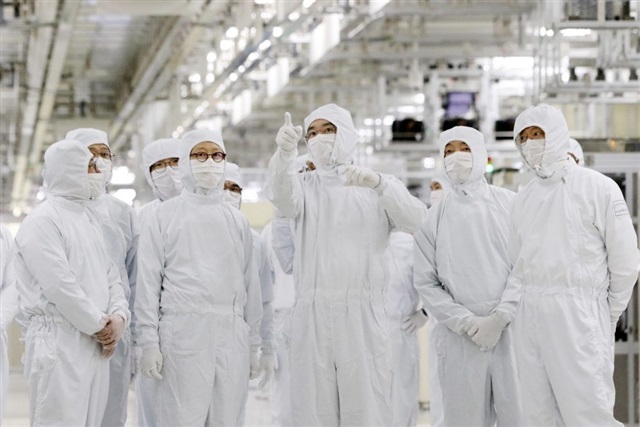
The artificial intelligence(AI) boom is triggering an unprecedented expansion race among the world's largest memory chipmakers.Surging demand for high-bandwidth memory (HBM) and high-performance D
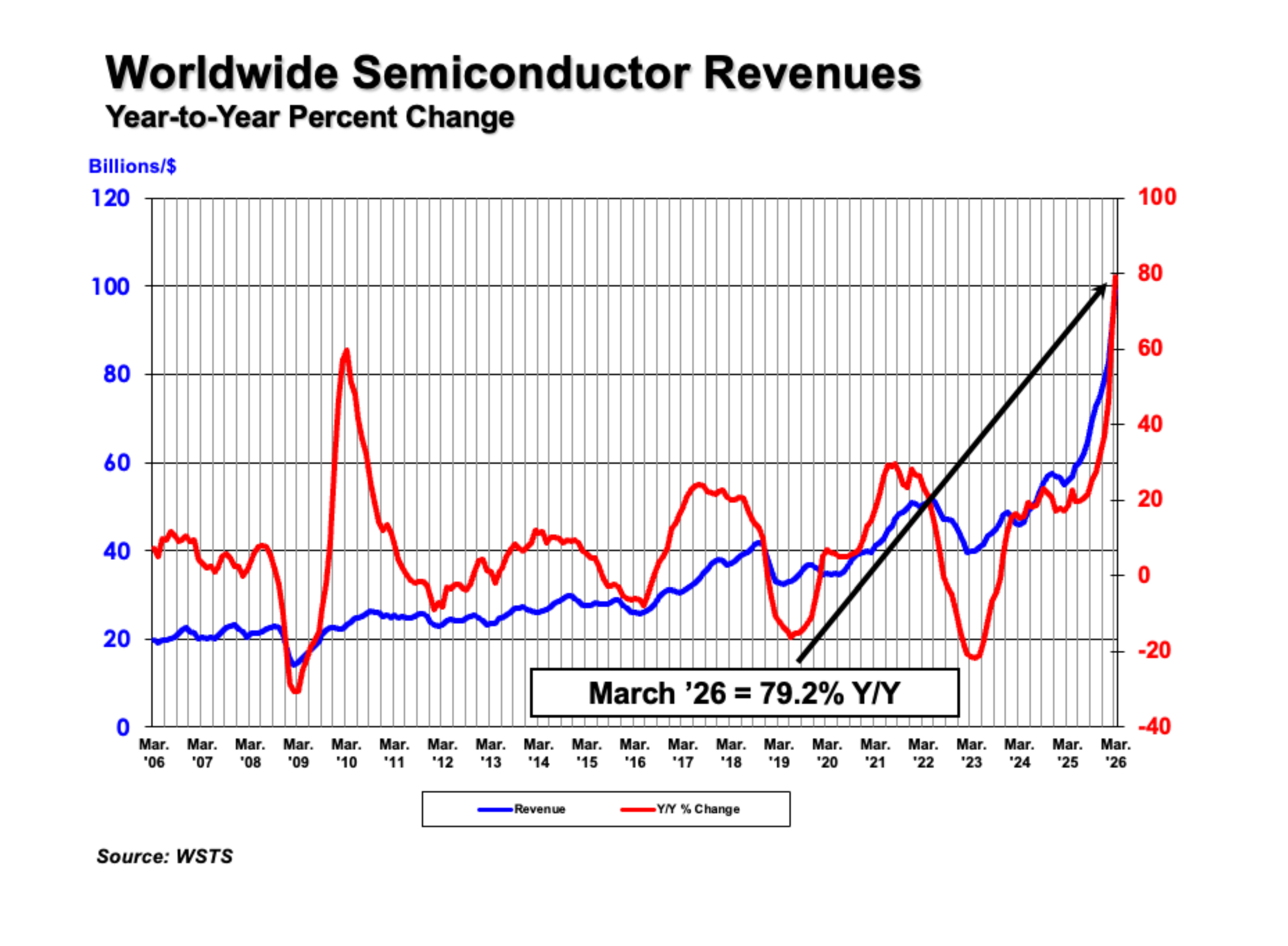
The Semiconductor Industry Association (SIA) today announced global semiconductor sales were $298.5 billion during the first quarter of 2026, an increase of 25% compared to Q4 of 2025. Global sales we

Texas Instruments (TI) reported robust results for the first quarter of 2026 on April 23, driven by surging AI data center demand and a notable rebound in industrial control applications. TI stressed


