

The smartphone industry is facing considerable cost challenges in 2026 amid ongoing memory supply shortages and rising prices. This situation is expected to lead to a 1.6% decrease in annual shipments, a shift from the earlier forecast of 2.8% growth made in September, according to DIGITIMES analyst Luke Lin.
Sources in the smartphone industry anticipate that continued surges in DRAM prices will prompt manufacturers to lower memory specifications in new models to mitigate costs.
This reduction in memory capacity may affect user experience, especially in applications involving generative AI and high-resolution camera modules. Flagship models increasingly incorporate 100-megapixel main cameras, producing single photos of 8-10 MB, while mid- and low-tier devices have upgraded to camera modules in the tens of megapixels. These advancements, juxtaposed with cost constraints, are challenging manufacturers' ability to strike a balance between performance, user experience, and pricing.
Industry insiders indicate that smartphone brands are caught between rising raw material and component costs, which squeeze profit margins, and external pressures such as tariffs, geopolitical tensions, and inflation, which limit the ability to raise retail prices. In response, manufacturers are expected to lower memory capacities and more aggressively pursue alternative suppliers and components, particularly in passive and mechanical parts, that enable cost reductions without significantly compromising product usability.
Some sources highlight that brands may prioritize promoting high-end smartphones in 2026, as these models typically generate higher profit margins. Given Samsung Electronics' prominent role as a leading memory chip producer, the ongoing supply shortages may enhance Samsung's leverage in smartphone marketing and supply negotiations.
Additionally, Flash memory supplies remain limited, adding further pressure on device specifications and pricing strategies. The combination of supply constraints and rising costs is set to test the operational capabilities, marketing approaches, and supplier management skills across the smartphone industry in the coming year.


Stay up to date with the latest in industry offers by subscribing us. Our newsletter is your key to receiving expert tips.

Following a record-setting year for the semiconductor industry, the start of the new year has continued the momentum, as semiconductor revenue grew 27% in 1Q26 from 4Q25 to reach US$319bn, according t
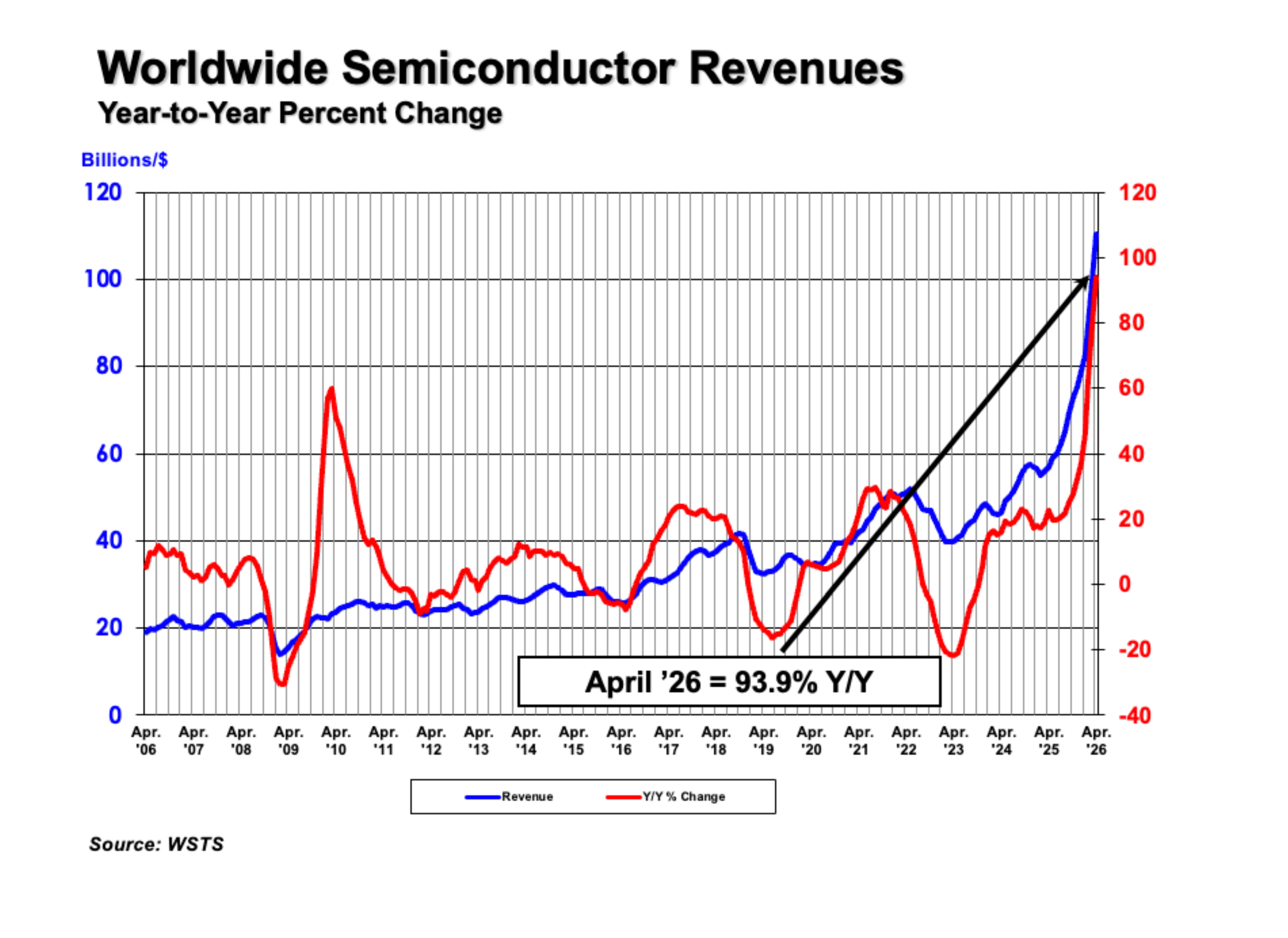
The Semiconductor Industry Association (SIA) today announced global semiconductor sales were $110.5 billion during the month of April 2026, an increase of 11% compared to the March 2026 total of $99.5
UMC held its shareholders' meeting on May 27, with CEO Jason Wang saying that as AI applications expand rapidly, long-term semiconductor demand still has room for growth. In addition to deepening


