
According to foreign media reports, the global auto chip shortage that began at the beginning of last year will remain a major challenge for automakers this year.

In addition, the industrial chain news also showed that the global shortage of automotive chips is exacerbated by some factors, rising crude oil prices and rising battery materials prices have also brought variables to the development of global electric vehicles.
In the report, foreign media also mentioned that in the past few years, the global auto industry has been affected by the epidemic, chip shortage and other factors. Car sales in the US, a major global market, fell by nearly 15% in 2020, while global sales fell to 77.97 million units.
While global car sales picked up to 85 million last year, it is difficult to return to pre-pandemic levels due to continued chip shortages and other new factors.
According to the news from the automakers, the chip shortages that affected them last year are still affecting their production and sales this year.Earlier this week, Toyota announced on its website that nine of its 14 factories in Japan would be production in May, involving 10 production lines, due to chip shortages.


Stay up to date with the latest in industry offers by subscribing us. Our newsletter is your key to receiving expert tips.
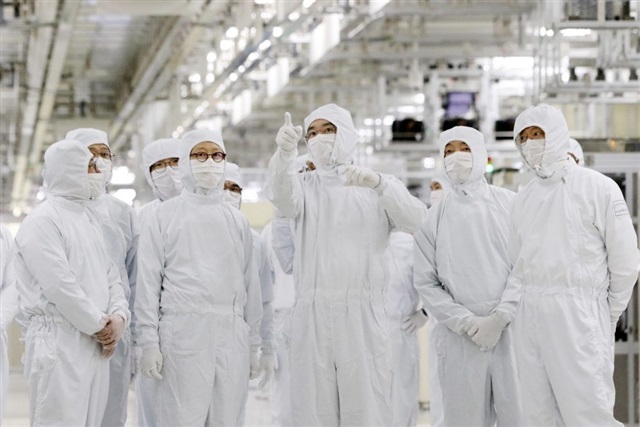
The artificial intelligence(AI) boom is triggering an unprecedented expansion race among the world's largest memory chipmakers.Surging demand for high-bandwidth memory (HBM) and high-performance D
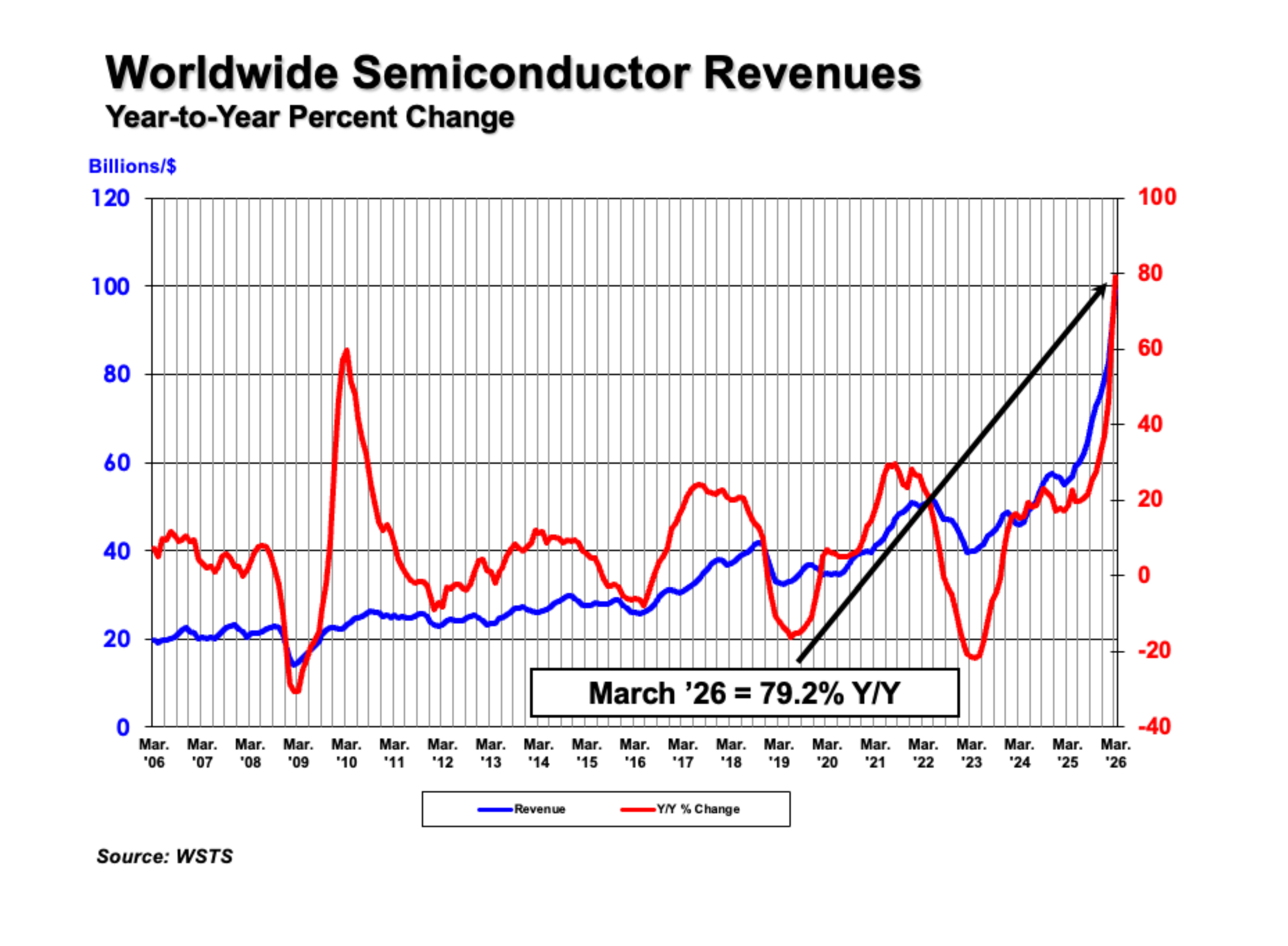
The Semiconductor Industry Association (SIA) today announced global semiconductor sales were $298.5 billion during the first quarter of 2026, an increase of 25% compared to Q4 of 2025. Global sales we

Texas Instruments (TI) reported robust results for the first quarter of 2026 on April 23, driven by surging AI data center demand and a notable rebound in industrial control applications. TI stressed


