
The bipartisan Protecting Circuit Boards and Substrates Act of 2023 introduced by Representatives Blake Moore (R-UT-1) and Anna Eshoo (D-CA-16) finishes the job the CHIPS Act began by incentivizing investment in the domestic printed circuit board (PCB) industry.
This bill is a necessary follow-on to the CHIPS Act: without a trusted, reliable domestic source of PCBs and substrates, computer chips don’t connect to end use electronic devices.
Domestic PCB production shrunk over the past 20 years, falling from 30% to barely 4%of the world’s supply.
Ninety percent of the world’s supply now comes from Asia…56% in China alone.
Major provisions of the bill:
· $3 billion to fund factory construction, workforce development and R&D
· A 25% tax credit for purchasers of American-made PCBs and substrates
“Now is the moment for Congress to take decisive action by furthering robust legislation to reshore our manufacturing, strengthen our supply chains, and prioritize national security,” said Congressman Blake Moore. “The Protecting Circuit Boards and Substrates Act provides a tried and true approach to incentivizing American companies to produce printed circuit boards here at home, which will maintain the integrity of military and national security commercial materials, boost our economy and workforce, and usher in a new era of American manufacturing. The progress we have made on semiconductors is a significant step in the right direction, but congressional support for the entire microelectronics ecosystem is needed to reduce reliance on China. I am grateful to reintroduce this bill with Congresswoman Eshoo and am hopeful this bipartisan effort will successfully move through the legislative process.”
“Printed circuit boards (PCBs) are critical components of almost every piece of electronics used today. However, over the past two decades, a vast majority of PCB manufacturing has moved offshore, making PCBs vulnerable to tampering by foreign adversaries, and only 4% of PCBs are manufactured in the United States. If we want to ensure technological superiority across the global stage and strengthen national security, we need to bring PCB production back to America, which is exactly what my bipartisan bill does,” said Rep. Eshoo.
“Remember, chips don’t float. They need PCBs to connect to any electronic device. With production of American-made semiconductors ramping up, PCBs are a key ingredient in revitalizing the nation’s microelectronics ecosystem. Without a robust domestic supply chain, we have become almost entirely reliant on foreign suppliers for the PCBs we need,” said Travis Kelly, Chairman of the Printed Circuit Board Association of America.
PCBAA President Will Marsh said, “Our industry is grateful for this bipartisan support for American-made microelectronics. This is the right response to years of offshoring and a dangerous dependence on foreign sourcing.”
PCBAA Executive Director David Schild said, “From F-35s to F-150s, the modern world is built on printed circuit boards, and we need to make more of them in America. This bill will lead to new factories, high paying jobs and an ecosystem to support the work being done by our colleagues in the semiconductor industry.”
Source: EMS Now


Stay up to date with the latest in industry offers by subscribing us. Our newsletter is your key to receiving expert tips.
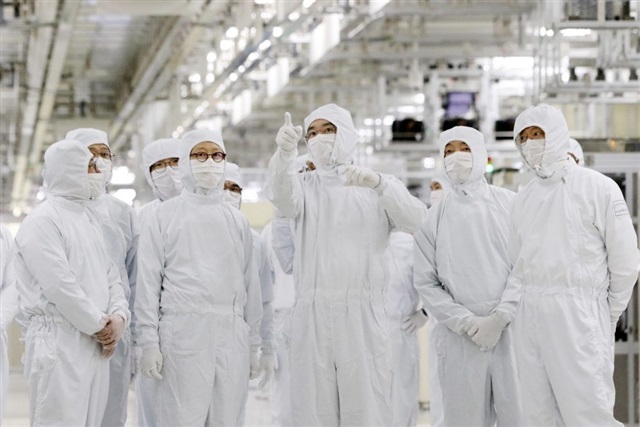
The artificial intelligence(AI) boom is triggering an unprecedented expansion race among the world's largest memory chipmakers.Surging demand for high-bandwidth memory (HBM) and high-performance D
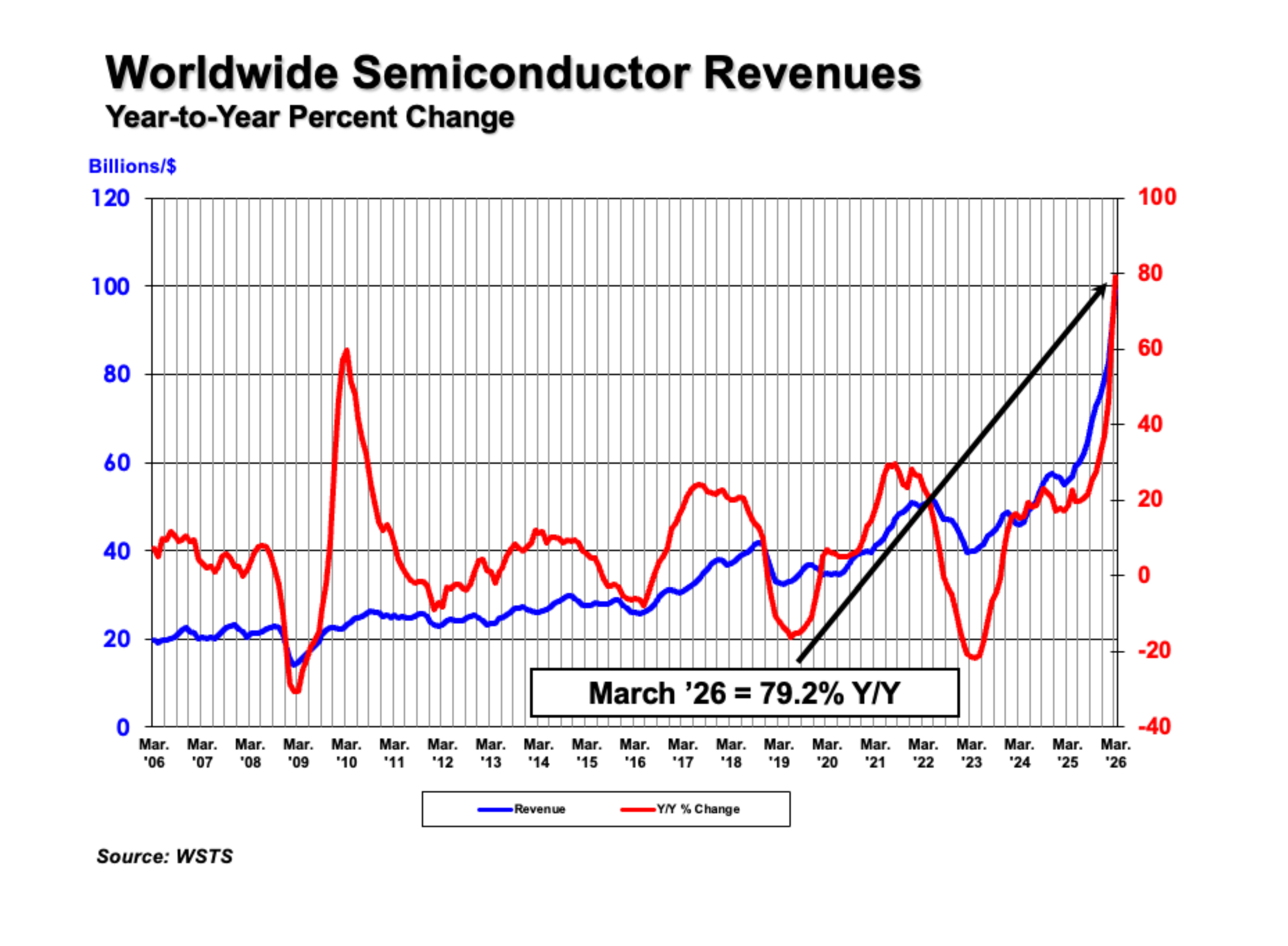
The Semiconductor Industry Association (SIA) today announced global semiconductor sales were $298.5 billion during the first quarter of 2026, an increase of 25% compared to Q4 of 2025. Global sales we

Texas Instruments (TI) reported robust results for the first quarter of 2026 on April 23, driven by surging AI data center demand and a notable rebound in industrial control applications. TI stressed


