
Per IPC’s April 2023 Global Sentiment of the Electronics Supply Chain Report, last month delivered a mixed bag of industry sentiment: cost pressures are receding; industry demand appears to be slowing; and industry expects growth in some sectors.
Survey results show:
54 percent of respondents reported that labor and material costs are rising, but the number of companies experiencing rising costs continues to decline.
The Orders Index slipped to 105. While this is still in expansionary territory, it is the lowest it has been since the start of the survey.
Industry believes the military sector will grow 16 percent on average this year, followed by the aerospace sector and the communications sector which are both expected to grow by roughly 11 percent. The medical sector is expected to rise 10 percent.
The automotive sector and industrial electronics sector are both expected to rise 5.6 percent. The consumer electronics sector is expected to decline 3 percent and the computer sector is expected to decline 7 percent in 2023.
“Over the next six months, electronics manufacturers expect to see continued increase in both labor and material costs,” said Shawn DuBravac, IPC chief economist. “Meanwhile, backlogs, ease of recruitment, and profit margins are expected to contract.”
For the report, IPC surveyed hundreds of companies from around the world, including a wide range of company sizes representing the full electronics manufacturing value chain.
Source: EMS Now


Stay up to date with the latest in industry offers by subscribing us. Our newsletter is your key to receiving expert tips.
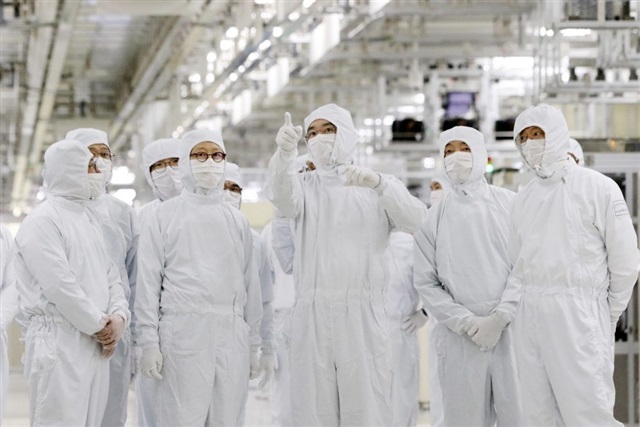
The artificial intelligence(AI) boom is triggering an unprecedented expansion race among the world's largest memory chipmakers.Surging demand for high-bandwidth memory (HBM) and high-performance D
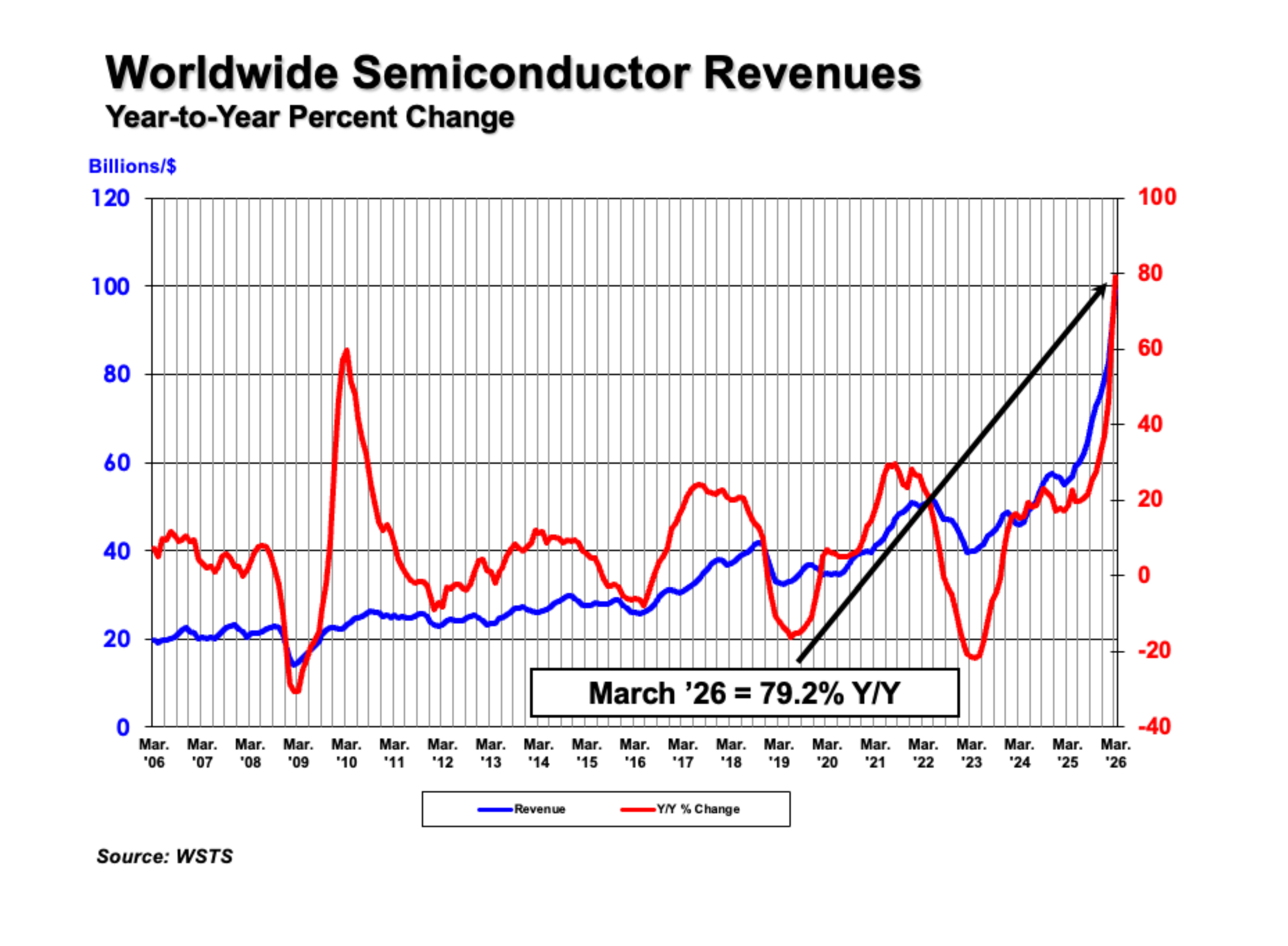
The Semiconductor Industry Association (SIA) today announced global semiconductor sales were $298.5 billion during the first quarter of 2026, an increase of 25% compared to Q4 of 2025. Global sales we

Texas Instruments (TI) reported robust results for the first quarter of 2026 on April 23, driven by surging AI data center demand and a notable rebound in industrial control applications. TI stressed


