
Smartphone shipments from original design manufacturers/independent design houses (ODMs/IDHs) declined by 5% year-on-year (YoY) in 2022, according to Counterpoint Technology Market Research’s latest Global Smartphone ODM Tracker and Report.
According to Senior Research Analyst Shenghao Bai, the YoY decline in ODM/IDH companies’ shipments in 2022 was driven by weak performance from OPPO Group, Transsion Group, Lenovo Group and HONOR.
“These smartphone OEMs were hurt by economic headwinds during the year and the negative effects were passed directly to their ODM partners,” said Bai. “However, the contribution of ODMs toward smartphone shipments has been increasing. For instance, the proportion of ODM shipments in vivo rose rapidly in 2022 after the brand kicked off its cooperation with Huaqin and Longcheer.”
Longcheer, Huaqin and Wingtech continued to dominate the competitive landscape of the global smartphone ODM/IDH industry in 2022. The companies, also known as the ‘Big Three’, accounted for 76% of the global ODM/IDH smartphone market in 2022 compared with 70% in 2021.
Global Smartphone ODM/IDH Vendors Shipment Share, 2022
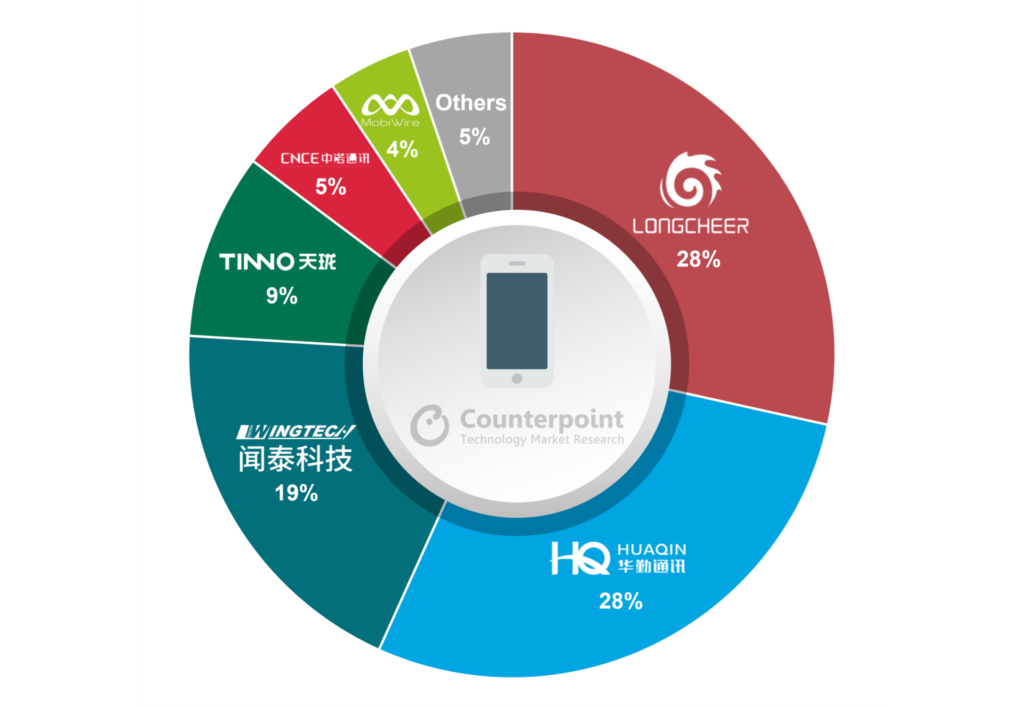
Source: Counterpoint Research’s Global Smartphone ODM/IDH Tracker, 2022
“Longcheer’s shipments surged in 2022 due to strong orders from Xiaomi and Samsung, helping the company rank first in terms of shipment share. Meanwhile, Huaqin managed to remain one of the leaders among ODMs due to its diversified client portfolio and an increase in orders from vivo, the top smartphone OEM in China. In contrast, Wingtech saw only a modest YoY increase in shipments, as it continues to view smartphone ODMs as only one component of its overall ODM business,” Senior Research Analyst Ivan Lam said. “In Tier 2, Tinno’s shipments continued to grow steadily after the spin-off of the WIKO brand, due to successful marketing with major carriers in the US, Japan and Africa. Its partnerships with Lenovo and Transsion also contributed to an increase in shipments. MobiWire experienced a significant rise in shipments after winning Transsion’s projects. Additionally, its recent collaboration with TCL is expected to serve as an alternative revenue source as TCL shifts its focus to the below $300 segment.”
“The leading ODM players are actively expanding their ODM and EMS services to other smart device categories, with Huaqin ranking first in shipments in broader smart devices categories. To enrich their portfolios, ODMs are actively exploring sectors such as components, semiconductors, automotive and XR products. They are trying to put more helmsmen in place to ensure their company sails more steadily in the face of global headwinds,” Lam said.
China’s manufacturing sector has been recovering after COVID-19 restrictions in the country were lifted. China’s capacity is expected to return to normal by 2023. Meanwhile, the global electronic industry’s manufacturing diversification continues to grow.
Bai said, “Smartphone OEMs are investing heavily in India. Meanwhile, EMS companies are expanding their assembly lines to India, Southeast Asia, LATAM and other regions. India’s local manufacturing will be able to fulfill the domestic demand and will also be sufficient for exports.”


Stay up to date with the latest in industry offers by subscribing us. Our newsletter is your key to receiving expert tips.
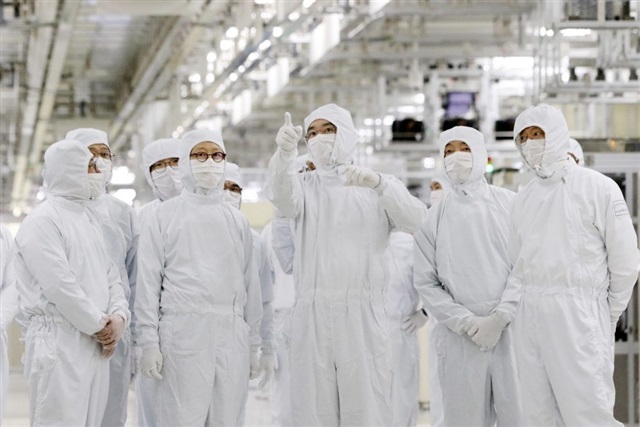
The artificial intelligence(AI) boom is triggering an unprecedented expansion race among the world's largest memory chipmakers.Surging demand for high-bandwidth memory (HBM) and high-performance D
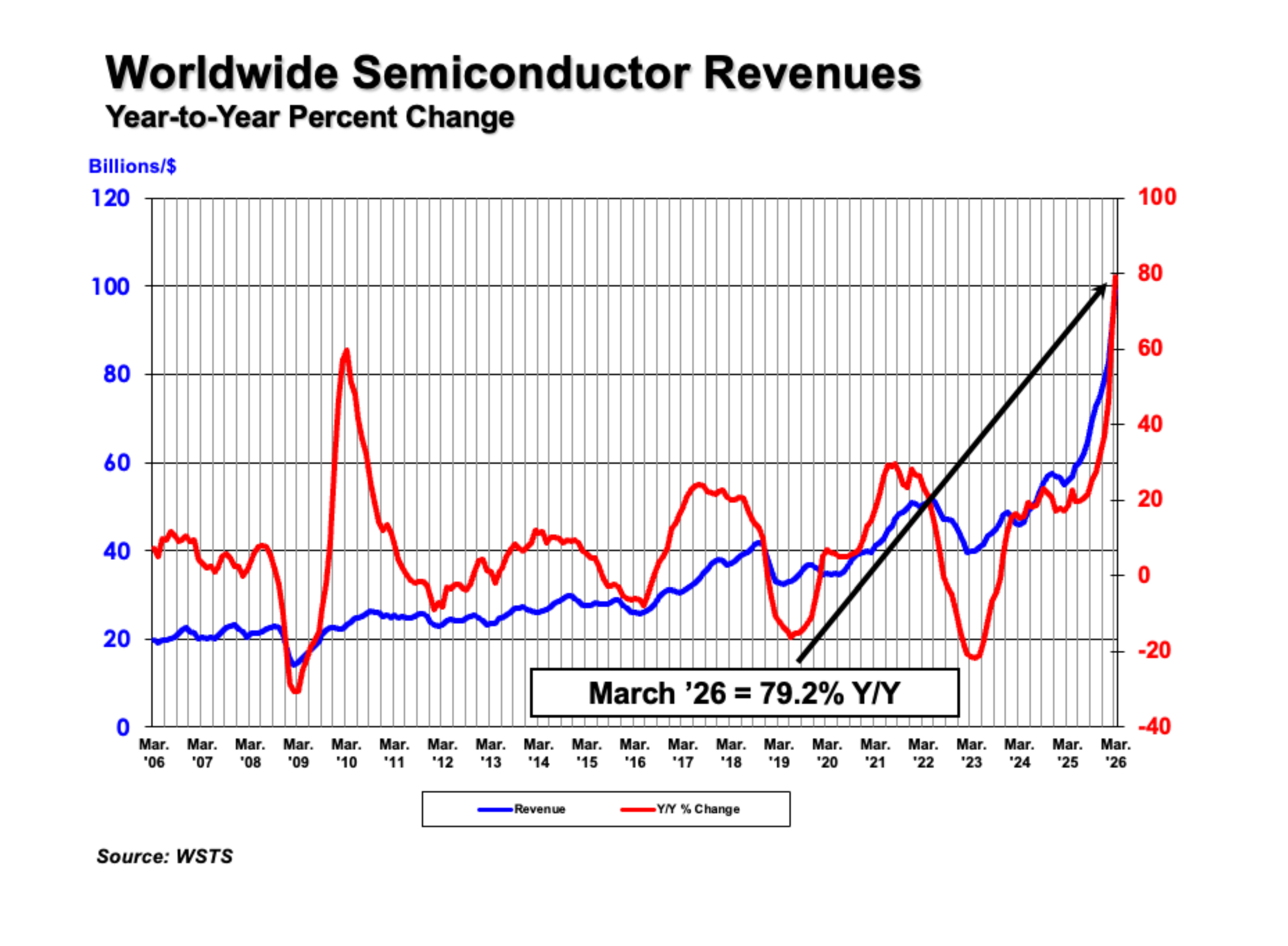
The Semiconductor Industry Association (SIA) today announced global semiconductor sales were $298.5 billion during the first quarter of 2026, an increase of 25% compared to Q4 of 2025. Global sales we

Texas Instruments (TI) reported robust results for the first quarter of 2026 on April 23, driven by surging AI data center demand and a notable rebound in industrial control applications. TI stressed


