
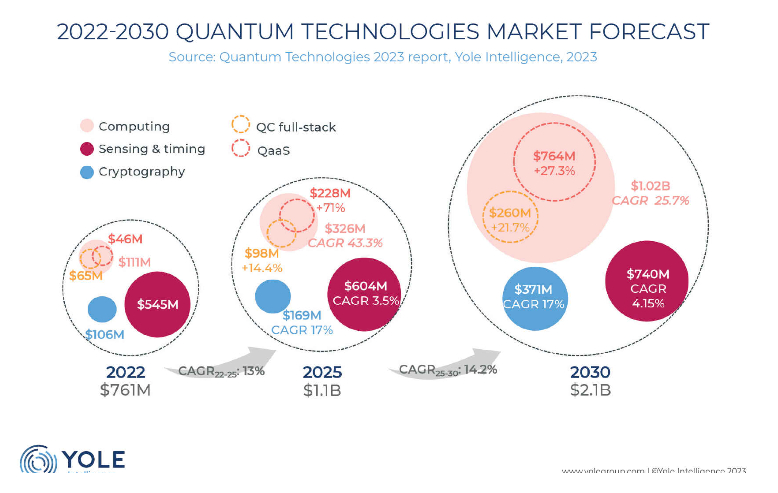
The quantum market will be worth $2.1 billion in 2030, says Yole Developpement, with the quantum computing segment reaching more than $4 billion by 2035.
Overall the quantum technology market place will grow with a 13% CAGR from a total market of $761 million in 2022 to $1,099 million in 2025.
Breaking this down to sub-markets: quantum computing was worth $65 million in 2022, which Yole differentiates from Quantum computing as a service (QaaS), which it reckons was worth $46 million.
So quantum computing overall was worth $111 million in 2022. Meanwhile quantum sensing and timing market was already worth $545 million in 2022. The quantum cryptography market was smaller at $106 million.
This is a small market with much of the effort in R&D, particularly on the quantum computing side, where tremendous growth is expected
Step by step, an industrial quantum supply chain is developing as many companies are positioning themselves.
Many technological options are being pursued (superconductors, photons, trapped ions, cold atoms …) for quantum technologies, but the final choices are not yet fixed.
Quantum technologies have three primary applications: computing, communication, and sensing.
Computing still attracts most of the R&D effort and investor money. However, pushed by quantum computing developments, the other two are also starting to attract more attention: quantum networking will be necessary to interconnect quantum computers, and new applications will require ultra-sensitive sensors based on quantum effects.”
“As quantum computers become readily available, they will be able to break the current integrity keys used for data exchange,” says Yole’s Eric Mounier, “this creates a direct connection to quantum cryptography, and post-quantum approaches are being developed to prevent future hacking by quantum computers (communication, bitcoins, cryptocurrency, etc., could also be compromised by quantum computers).”
“The quantum ecosystem is maturing step-by-step and strengthening through research project collaborations, patent portfolio (China is currently dominant), creation of numerous startups (USA, Canada, and Europe are leading), and big semiconductor vendor/equipment makers entering the game,” adds Mounier, “as a consequence, an industrial quantum supply chain is developing. Many companies are positioning themselves, from materials and equipment providers to chip foundries, systems, services, and associated hardware.”
The involvement of semiconductor players, including GlobalFoundries, TSMC, X-FAB, Intel, photonics with Ligentec, and equipment makers (for example, Keysight, Formfactor, Oxford Instruments, AMAT) is setting up a robust technological base for future quantum technologies: spin QD is, of course, also of interest, as it leverages Si CMOS technology.
But partnerships are still critical since only relatively few companies can pursue different R&D approaches simultaneously.
Infineon Technologies is the exception, with R&D on three different technological qubit techniques: superconducting, trapped ions, and spin.
The trend today is to have a “full stack approach” from the quantum chips up to the computer and software/service level.
However, as this approach requires significant R&D resources, people, budget, and effort, not all players can do it
Sources:electronicsweekly


Stay up to date with the latest in industry offers by subscribing us. Our newsletter is your key to receiving expert tips.
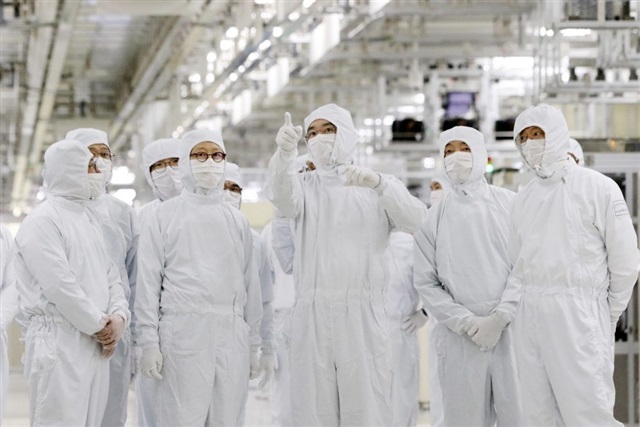
The artificial intelligence(AI) boom is triggering an unprecedented expansion race among the world's largest memory chipmakers.Surging demand for high-bandwidth memory (HBM) and high-performance D
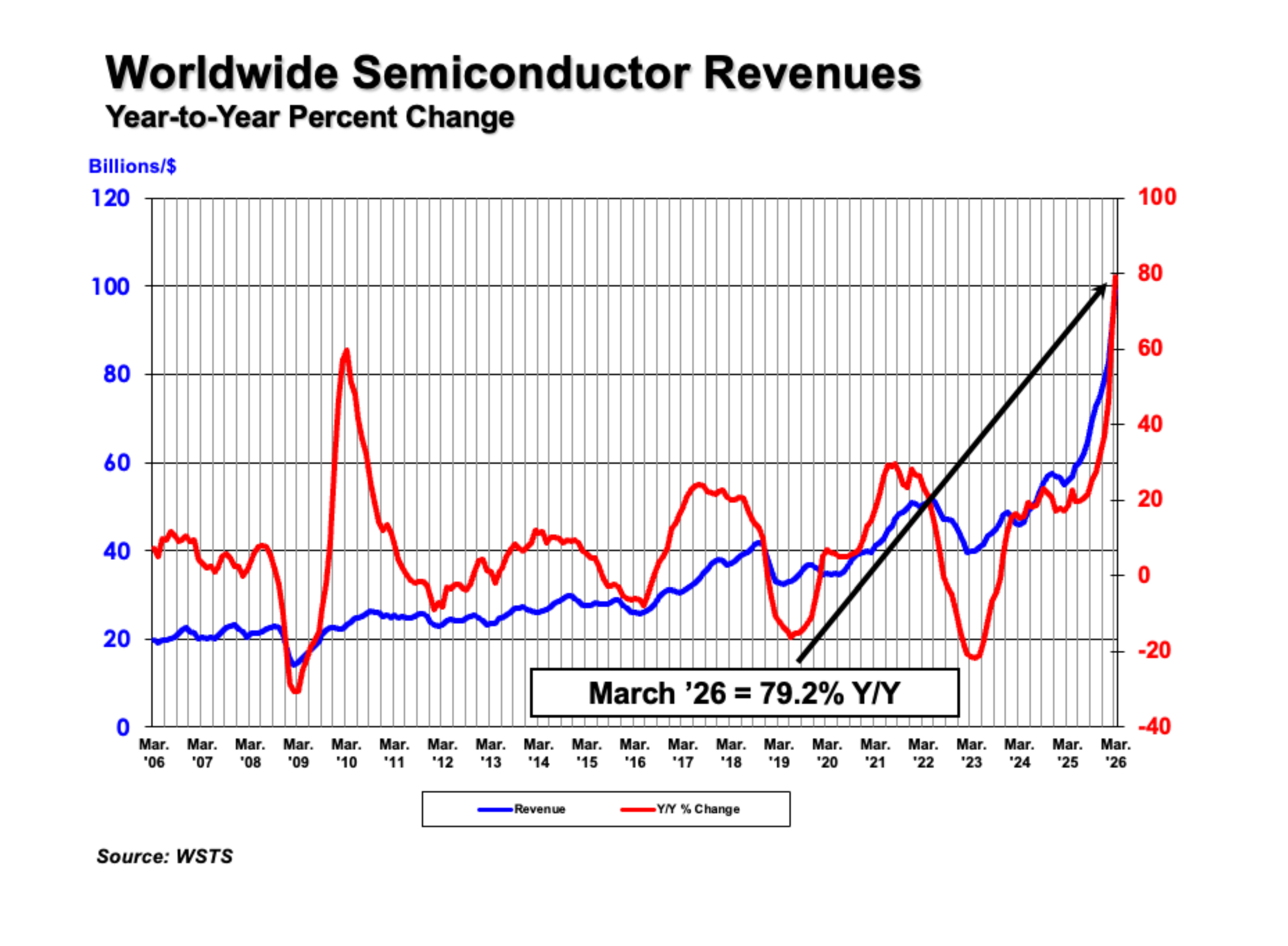
The Semiconductor Industry Association (SIA) today announced global semiconductor sales were $298.5 billion during the first quarter of 2026, an increase of 25% compared to Q4 of 2025. Global sales we
Texas Instruments (TI) reported robust results for the first quarter of 2026 on April 23, driven by surging AI data center demand and a notable rebound in industrial control applications. TI stressed


