
By 2030 the US will set up ‘at least’ two semiconductor clusters to produce advanced ICs, said US Commerce Secretary Gina Raimondo (pictured) last week, when outlining plans for spending the $250 billion of Chips and Science Act money.
“Each cluster will include a robust supplier ecosystem, R&D facilities to continuously innovate new process technologies, and specialised infrastructure,” said Raimondo.
‘At least’ two large-scale logic fabs and multiple high-volume advanced packaging facilities will be built by 2030, said Raimondo, and $11 billion will go into setting up The National Semiconductor Technology Center.
“The vision for it is an ambitious public-private partnership where government, industry, customers, suppliers, educational institutions, entrepreneurs, and investors converge to innovate, connect, and solve problems,” said Raimondo, which will actually comprise several locations around the country aimed at “solving the most impactful, relevant and universal R&D challenges in the industry,” she added.
“Most importantly, the NSTC is going to ensure the U.S. leads the way in the next generation of semiconductor technologies—everything from quantum computing, materials science, and AI to the future applications we haven’t even thought of yet,” said Raimondo.
‘The NSTC is going to make it easier and less expensive for new and disruptive entrants to get into the market,” said Raimondo, ‘and, if we do this right, by the end of the decade, we’ll cut in half the projected cost of moving a new chip from concept to commercialisation.”
“This is fundamentally a national security issue,” said Raimondo, “CHIPS is about gaining a technological edge, export controls are about keeping it.”
Raimondo called on semiconductor companies to work with high schools and community colleges to train 100,000 new technicians over the next decade through apprenticeships, career and technical education, and career pathway programs.
“If we don’t invest in America’s manufacturing workforce, it doesn’t matter how much we spend, we will not succeed,” said Raimondo, “if we get this right, the U.S. semiconductor workforce will be the gold standard for other industries to follow.”
Raimondo called on the US chip industry to invest ‘at least’ another $500 billion on top of the Chips Act money.
“I want the United States to be the only country in the world where every company capable of producing leading-edge chips will have a significant R&D and high-volume manufacturing presence,” said Raimondo, “I am here to issue a call to the private sector to get in the boat and row with us. We must produce chips right here in America. It is America’s obligation to lead. We must push like no time before.”


Stay up to date with the latest in industry offers by subscribing us. Our newsletter is your key to receiving expert tips.
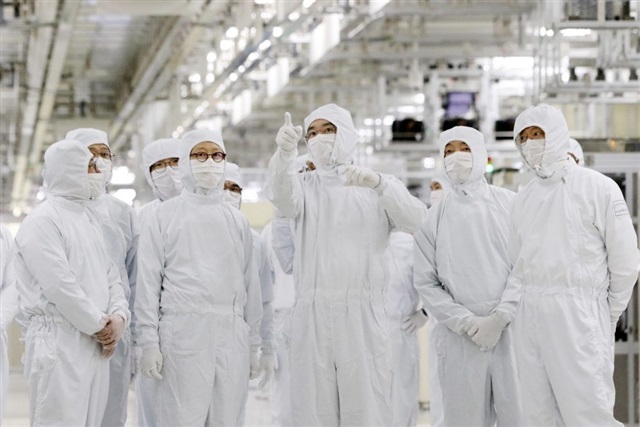
The artificial intelligence(AI) boom is triggering an unprecedented expansion race among the world's largest memory chipmakers.Surging demand for high-bandwidth memory (HBM) and high-performance D
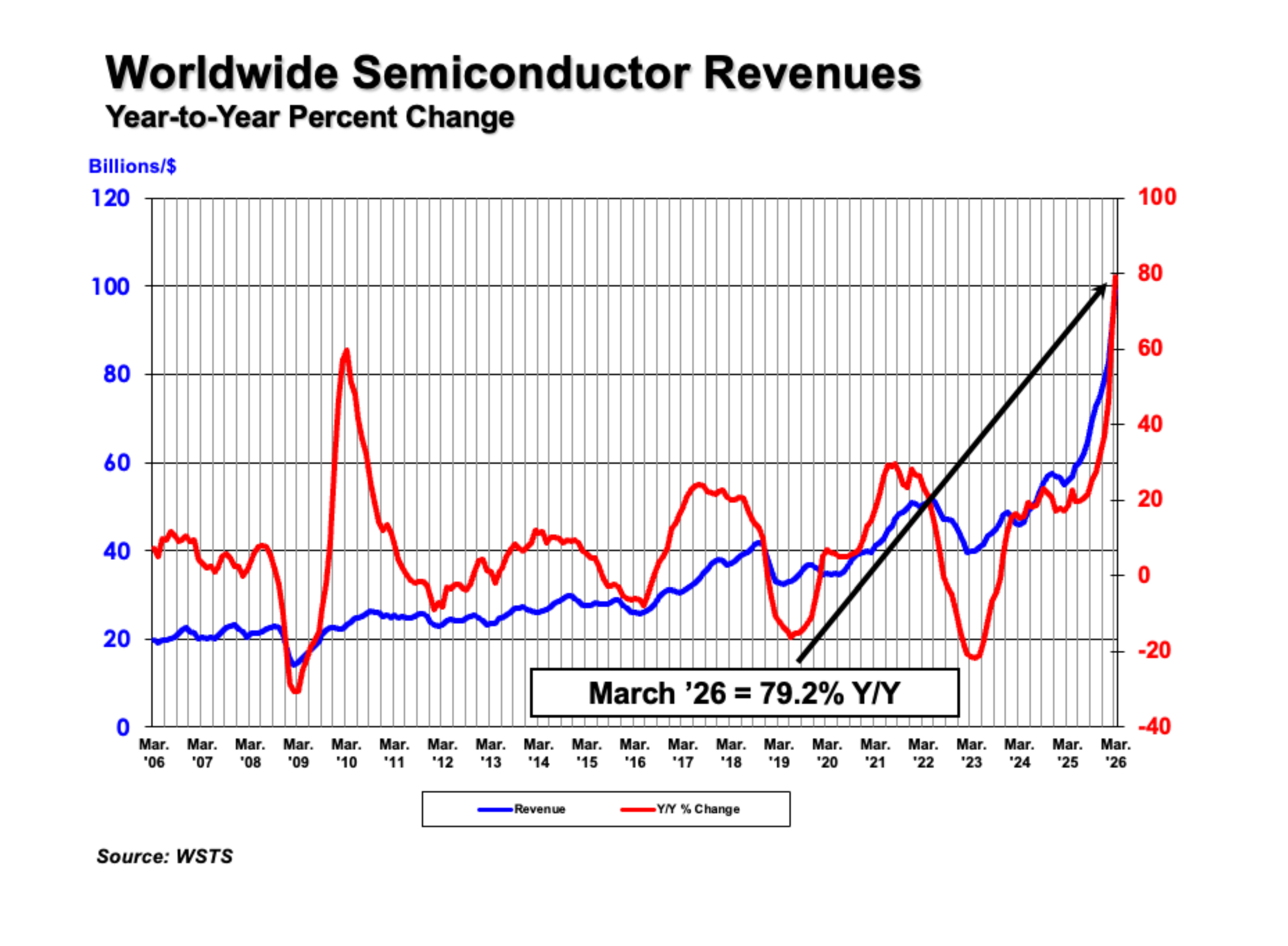
The Semiconductor Industry Association (SIA) today announced global semiconductor sales were $298.5 billion during the first quarter of 2026, an increase of 25% compared to Q4 of 2025. Global sales we
Texas Instruments (TI) reported robust results for the first quarter of 2026 on April 23, driven by surging AI data center demand and a notable rebound in industrial control applications. TI stressed


