
According to DIGITIMES Research's forecast, automotive display shipments will only increase slightly year-over-year to 189.2 million units in 2022 due to factors such as the Russia-Ukraine war and the Fed's interest rate hike leading to inflation overlaid with sluggish demand.
The agency predicts that by the end of 2023, shipments of displays for automotive applications, including rearview mirrors, flat-screen displays (HUDs), instrument panels and central controls, are expected to exceed 200 million pieces, reaching 209.4 million pieces, and will grow at a 6.2% CAGR to 255.5 million pieces by 2027, according to the Taiwanese media "Electronic Times".
From a technology perspective, more than 80% of automotive displays will be made of amorphous silicon (a-Si) TFT LCD in 2022, and the share of LTPS TFT LCD will increase from 16% in 2022 to about 26% in 2027. In addition, the mass production of Micro LED for automotive displays will be postponed to 2027 from the previously expected 2025, and the shipment of Micro LED automotive displays is expected to reach 20,000 pieces by the end of 2027.
Previously, market research firm Omdia said the geographic distribution of the automotive display supply chain for mainland China will mainly supply LCD, while Japan and South Korea will supply low-temperature polysilicon LCD and OLED. Taiwan will be the main supply of MiniLED and MicroLED.
source:aijiwei



Stay up to date with the latest in industry offers by subscribing us. Our newsletter is your key to receiving expert tips.
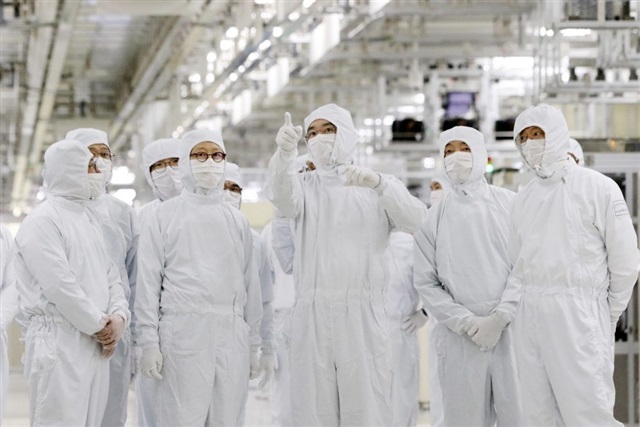
The artificial intelligence(AI) boom is triggering an unprecedented expansion race among the world's largest memory chipmakers.Surging demand for high-bandwidth memory (HBM) and high-performance D
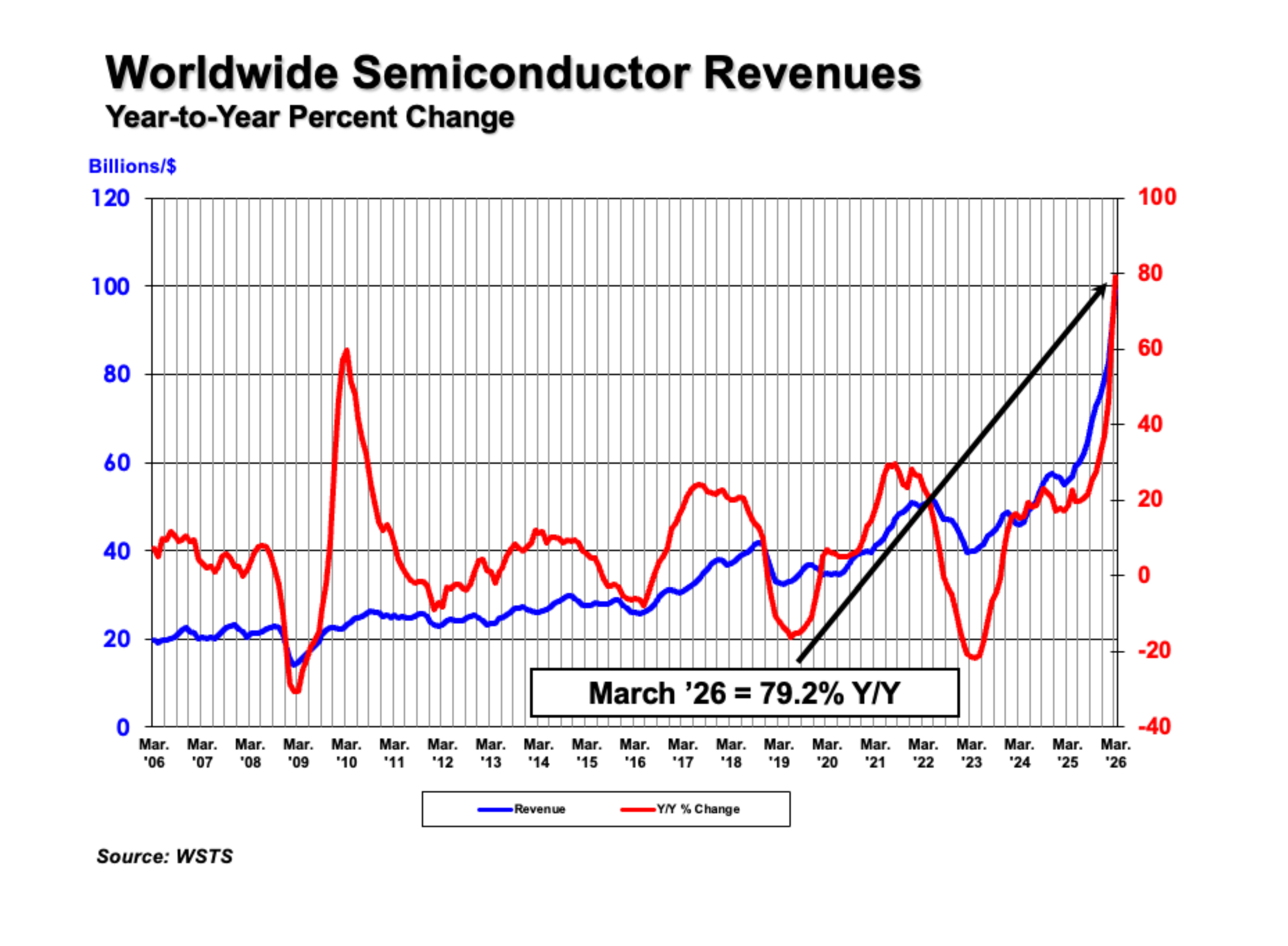
The Semiconductor Industry Association (SIA) today announced global semiconductor sales were $298.5 billion during the first quarter of 2026, an increase of 25% compared to Q4 of 2025. Global sales we

Texas Instruments (TI) reported robust results for the first quarter of 2026 on April 23, driven by surging AI data center demand and a notable rebound in industrial control applications. TI stressed


