
According to foreign media reports, under the influence of the dual decline in demand and prices, South Korea's semiconductor sales in overseas markets, in August this year fell to $10.78 billion, down 7.8% year-on-year, after 26 months of year-on-year decline again.
And from the latest data released by the Korean Ministry of Trade, Industry and Energy, September their semiconductor product sales in overseas markets, year-on-year growth still has not resumed.
The latest data released by the Korean Ministry of Trade, Industry and Energy show that sales of semiconductor products in overseas markets in September were $11.49 billion, down 5.7% year-on-year.
Although there is a decline year-on-year, but in September, South Korea's semiconductor product sales in overseas markets, but still higher than in August, 10.78 billion U.S. dollars, a return to growth.
As in August, Korea's semiconductor sales in overseas markets in September fell year-on-year, still affected by the global economic slowdown caused by the decline in demand and price declines.
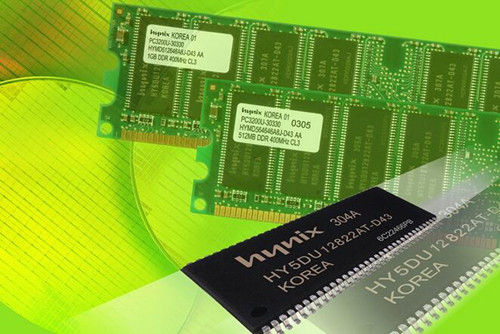
Sitting Samsung Electronics and SK Hynix, the two major memory chip manufacturers in South Korea, is an important global supplier of semiconductors, semiconductors are also an important export commodity in South Korea, in their exports accounted for about 20% of the proportion of semiconductor products in overseas sales stability, for their export stability has an important impact.
source:TechWeb


Stay up to date with the latest in industry offers by subscribing us. Our newsletter is your key to receiving expert tips.
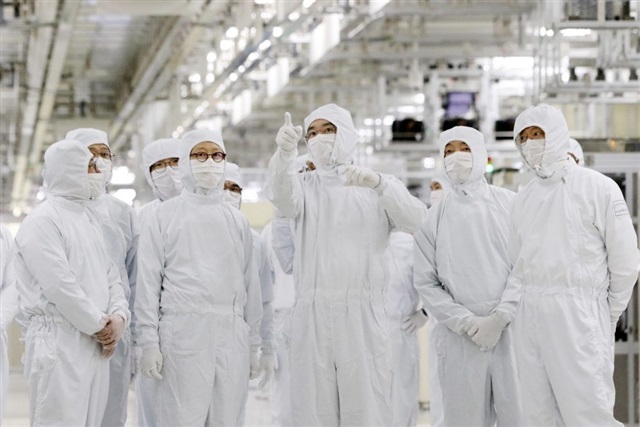
The artificial intelligence(AI) boom is triggering an unprecedented expansion race among the world's largest memory chipmakers.Surging demand for high-bandwidth memory (HBM) and high-performance D
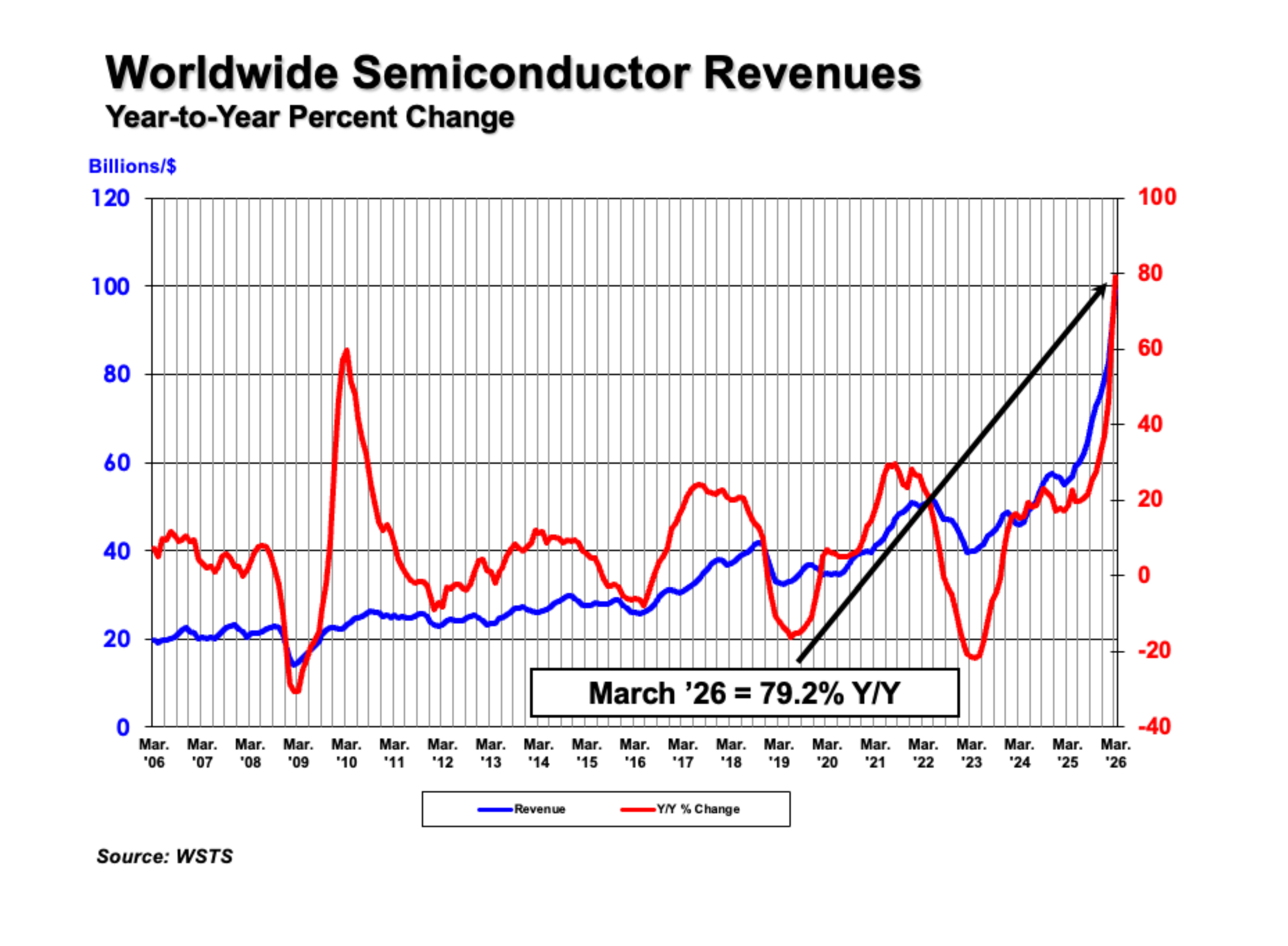
The Semiconductor Industry Association (SIA) today announced global semiconductor sales were $298.5 billion during the first quarter of 2026, an increase of 25% compared to Q4 of 2025. Global sales we
Texas Instruments (TI) reported robust results for the first quarter of 2026 on April 23, driven by surging AI data center demand and a notable rebound in industrial control applications. TI stressed


