
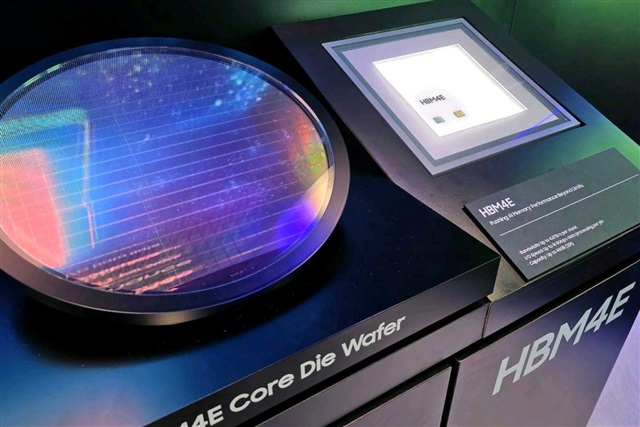
Samsung Electronics is reportedly in discussions with Google and Microsoft to establish long-term memory semiconductor supply agreements, in what could become the first binding contracts of their kind in the memory industry, according to Korean media reports.
Samsung is negotiating long-term agreements (LTAs) with the two US technology companies, with contract structures still under discussion. The most likely framework involves fixed supply volumes over multiple years, while pricing remains linked to spot market levels.
Under the proposed structure, customers would make large upfront prepayments to secure supply. If committed volumes are not met within three to five years, part of the prepayment would be forfeited. Prices would remain tied to spot levels and adjust if fluctuations move beyond a certain range.
The arrangement would provide Samsung with greater visibility into long-term demand, supporting capacity expansion while reducing the risk of excess inventory and sharp price swings. The company declined to comment on specific customers but said major clients are requesting large volumes of memory.
Binding agreements mark departure from past practices
The potential agreements differ from earlier long-term supply contracts, which lacked enforcement mechanisms and allowed customers to cancel orders.
The new structure would incorporate upfront payments to ensure compliance, effectively securing volume commitments in exchange for supply. Industry participants said this could support investment by improving demand visibility.
Other memory makers are pursuing similar approaches. Micron said in its fiscal second-quarter earnings call that it had signed its first five-year strategic customer agreement, while SK hynix is also reported to have secured long-term contracts with some clients.
AI demand accelerates shift toward contracted supply
The move comes as memory demand rises alongside the expansion of AI data centers, where memory has become a key bottleneck. Despite concerns over a potential AI investment bubble, US technology companies continue to increase capital spending, tightening supply.
EBN said rising demand has pushed conventional DRAM prices sharply higher, with margins in some cases reported to have exceeded those for high-bandwidth memory (HBM). Large technology companies are therefore seeking long-term agreements to secure a stable supply.
Multi-year contracts between memory suppliers and hyperscale customers such as Google and Microsoft are seen as a departure from traditional cyclical pricing, as customers commit upfront capital to secure capacity, particularly for HBM used in AI servers and custom chips.
Manufacturing shifts and supply risks emerge
At the same time, memory makers are advancing production capabilities to address more complex AI-driven requirements. SK Hynix has outlined plans to develop autonomous semiconductor fabs by 2030 to improve manufacturing efficiency.
Industry participants said the growing share of customized HBM products is increasing production complexity, making it more difficult to maintain yield and delivery timelines under conventional processes.
While long-term contracts improve demand visibility and support investment, industry observers said prioritizing AI-related production could tighten the supply of commodity DRAM for consumer applications.
Industry enters new phase of structural transition
The shift toward binding long-term agreements, combined with upfront customer funding and changes in manufacturing, is seen as a turning point for the memory industry.
Longer-term demand visibility could help reduce the severity of traditional boom-and-bust cycles, while competition increasingly centers on capacity expansion, customer mix, and AI-related products.


Stay up to date with the latest in industry offers by subscribing us. Our newsletter is your key to receiving expert tips.

Following a record-setting year for the semiconductor industry, the start of the new year has continued the momentum, as semiconductor revenue grew 27% in 1Q26 from 4Q25 to reach US$319bn, according t
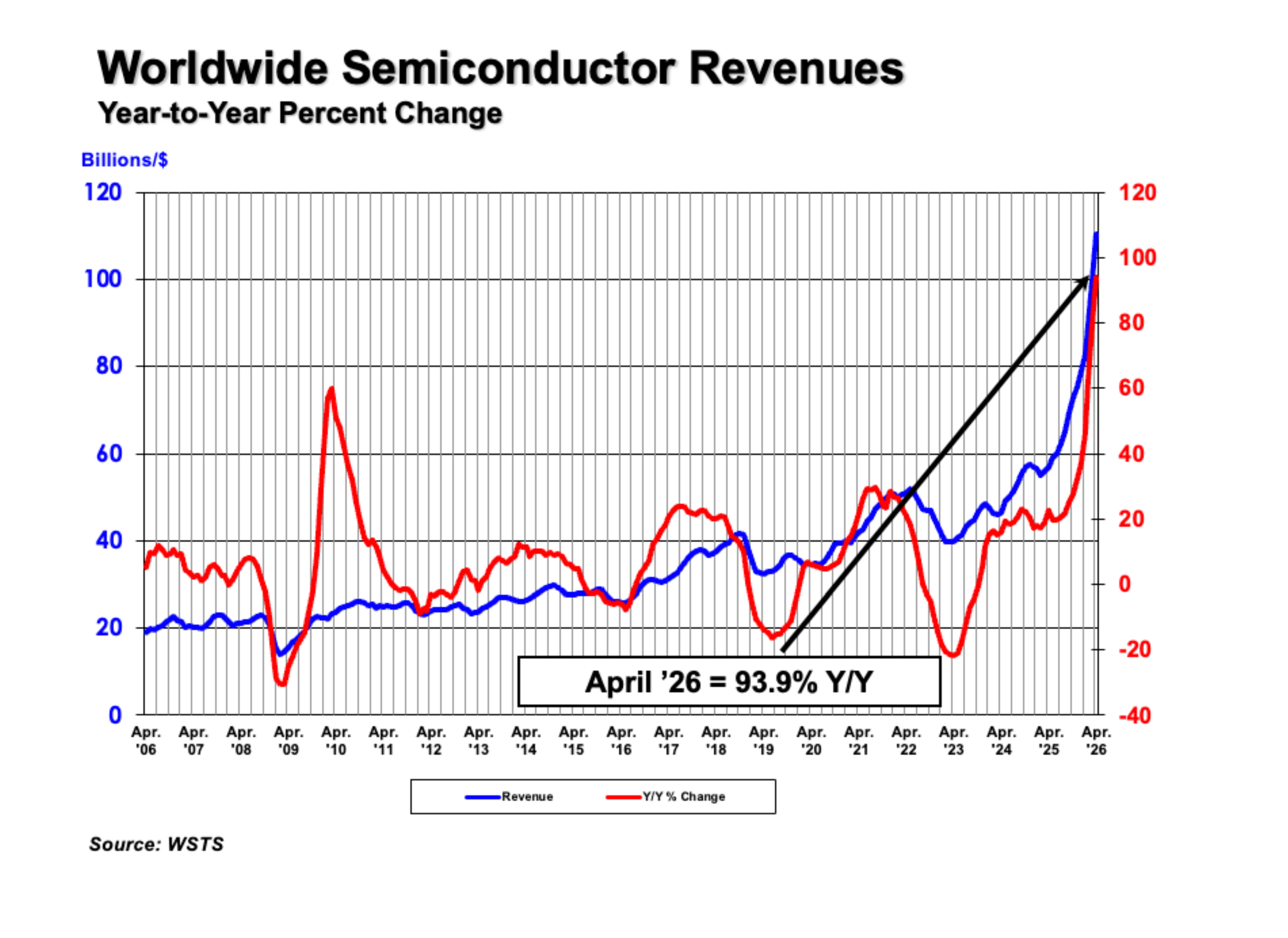
The Semiconductor Industry Association (SIA) today announced global semiconductor sales were $110.5 billion during the month of April 2026, an increase of 11% compared to the March 2026 total of $99.5
UMC held its shareholders' meeting on May 27, with CEO Jason Wang saying that as AI applications expand rapidly, long-term semiconductor demand still has room for growth. In addition to deepening


