
The semiconductor industry is bracing for further disruptions as China steps up efforts to ensure the stability of its semiconductor supply chains, according to a Reuters report. In a move aimed at mitigating the impact of global trade tensions and supply chain bottlenecks, Chinese officials have signalled a renewed focus on securing critical chip manufacturing processes.
The urgency stems from an increasing global shortage of chips, worsened by geopolitical uncertainties. In recent months, the ongoing dispute over chip production between Chinese semiconductor giants and Western regulators has intensified. A key aspect of these developments is the broader impact on component sourcing, with manufacturers struggling to align production timelines to the shifting dynamics of the semiconductor market.
On February 13, the Chinese Ministry of Industry and Information Technology (MIIT) outlined plans to tackle these supply chain hurdles. The ministry emphasized the importance of semiconductor stability, stating that “ensuring smooth supply channels” for critical components is a national priority. This message follows the Dutch government’s announcement of stricter regulations on semiconductor technology exports to China, a move that has already disrupted the global flow of vital chips.
The latest developments come amidst mounting concerns over prolonged delays in semiconductor deliveries. According to Seeking Alpha, the dispute between Chinese and European chipmakers has escalated in recent weeks. Nexperia, a key player in the global semiconductor market, has been accused of stockpiling chips in anticipation of future shortages, which could exacerbate supply chain volatility in the coming quarters.
The growing tensions in the semiconductor market raise critical questions for companies involved in manufacturing, including those in automotive, consumer electronics, and telecommunications sectors. With continued volatility expected, production costs for chip-intensive products are likely to remain elevated throughout 2026.
To mitigate these risks, manufacturers will need to consider alternative supply chain strategies. Reports suggest that the short-term focus will be on diversifying supplier networks, while long-term strategies may include investing in local production facilities to reduce reliance on overseas chip imports.
The situation remains fluid, but industry leaders are keeping a close watch on developments. As China reinforces its semiconductor policies, attention will turn to how global players adjust their procurement strategies and manage the evolving supply chain complexities.


Stay up to date with the latest in industry offers by subscribing us. Our newsletter is your key to receiving expert tips.

Following a record-setting year for the semiconductor industry, the start of the new year has continued the momentum, as semiconductor revenue grew 27% in 1Q26 from 4Q25 to reach US$319bn, according t
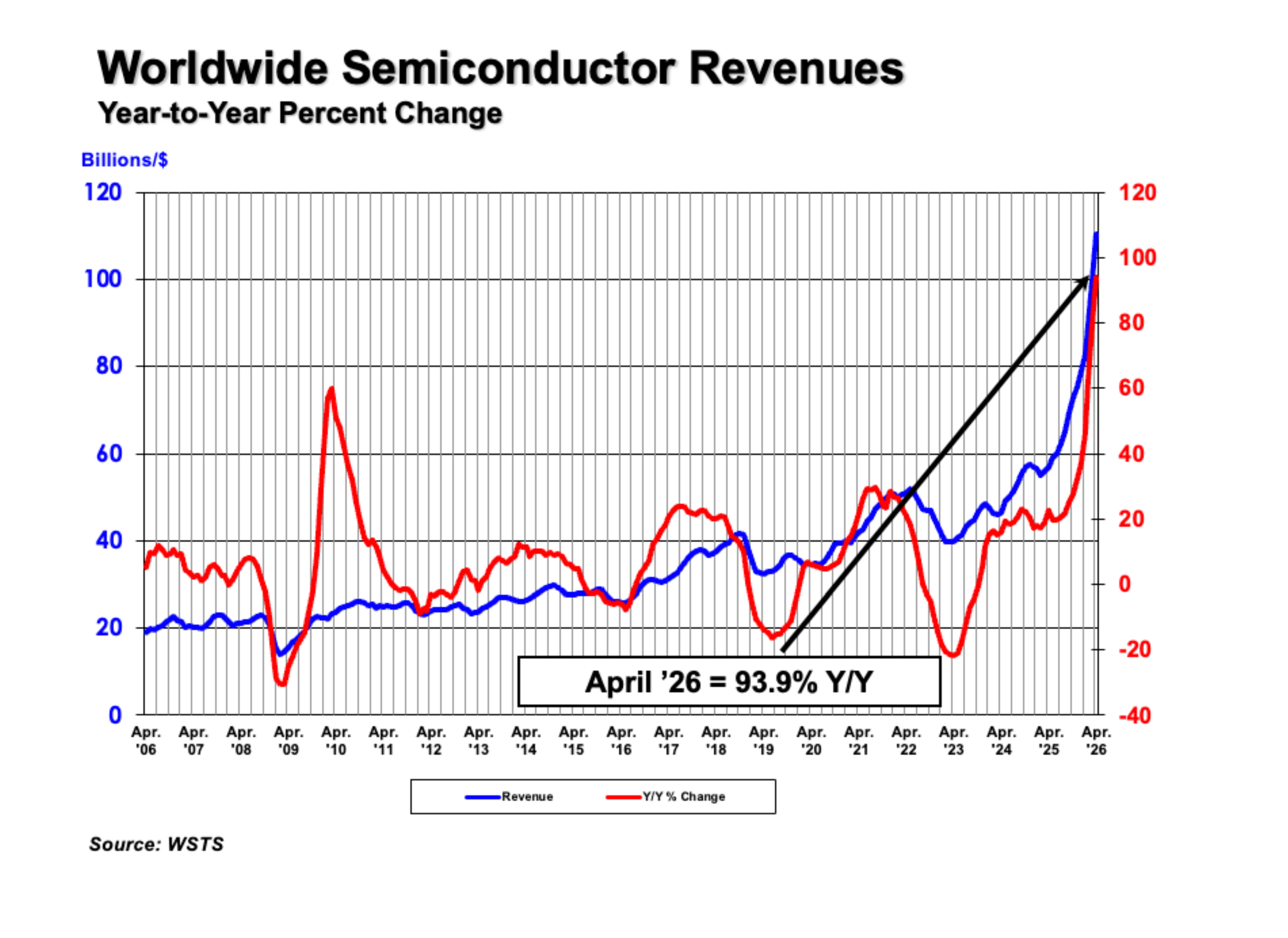
The Semiconductor Industry Association (SIA) today announced global semiconductor sales were $110.5 billion during the month of April 2026, an increase of 11% compared to the March 2026 total of $99.5
UMC held its shareholders' meeting on May 27, with CEO Jason Wang saying that as AI applications expand rapidly, long-term semiconductor demand still has room for growth. In addition to deepening


