
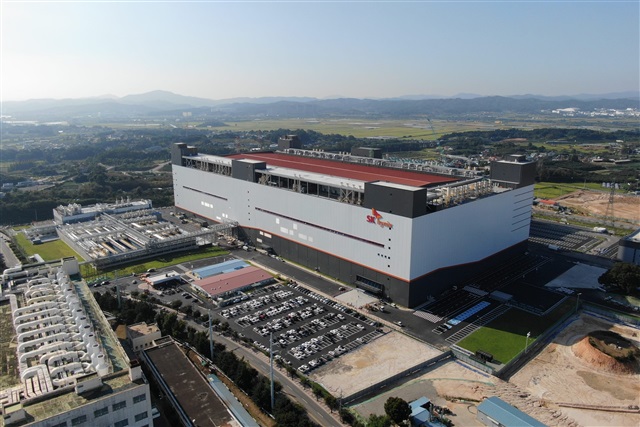
Surging demand for AI hardware is prompting memory makers to reassess their product portfolios as resources shift toward higher-margin enterprise and data center markets. Following Micron's decision to exit its Crucial consumer business late last year, market speculation has emerged that SK Hynix may also be reviewing its exposure to consumer-grade memory products.
IT media outlet NotebookCheck recently cited market chatter suggesting SK Hynix could scale back or halt production of consumer DRAM and NAND flash, redirecting capacity toward B2B customers and AI server applications. The report characterized the discussion as unconfirmed market speculation rather than an announced strategy.
SK Hynix told DIGITIMES it is not currently reviewing or planning an exit from the consumer memory business, indicating that no official decision has been made.
Micron exit sets a precedent
Micron announced in December 2025 that it would exit the Crucial consumer business, citing the need to improve supply support for larger, strategic customers amid AI-driven growth in data center demand. The company said it would continue shipping Crucial products through the consumer channel until the end of its fiscal second quarter in February 2026.
The move heightened concerns across the retail memory market, where supply conditions have already tightened as leading manufacturers prioritize capacity for AI accelerators, high bandwidth memory, and enterprise storage.
Solidigm highlights data center focus
A clearer example of portfolio realignment can be seen at Solidigm, SK Hynix's US-based NAND subsidiary. Korean media, including ZDNet Korea and The Guru, reported in early January 2025 that Solidigm had discontinued its only consumer SSD lineup. Product listings on Solidigm's website show that the P41 Plus and P44 Pro consumer SSDs reached end of life in October 2024.
Industry observers said the decision reflected Solidigm's long-standing focus on enterprise and server SSDs, a segment seeing renewed momentum as AI adoption and data center expansion accelerate.
In December 2024, SK Hynix also unveiled the PS1012 U.2, a 61-terabyte enterprise SSD based on quad-level cell NAND and designed for AI data center workloads. The company said it is continuing to expand its high-capacity QLC SSD portfolio in collaboration with Solidigm as part of its broader AI NAND strategy.
OEMs assess downstream impact
Supply-side adjustments are beginning to influence procurement strategies among PC makers. Media reports citing Bank of America research indicate that some original equipment manufacturers, including HP, are evaluating alternative memory suppliers to mitigate shortages linked to the industry's pivot toward AI-focused products. Such efforts are said to be limited to specific models and markets, including parts of Asia and Europe.
Analysts said sustained prioritization of AI and data center demand by major memory producers could reshape availability in consumer segments, potentially opening limited opportunities for non-traditional suppliers.
Overall, SK Hynix's recent investments and Solidigm's strategic realignment point to a broader industry shift toward AI-driven infrastructure. Whether consumer memory products face further contraction, and how supply chains adapt, remains an open question.


Stay up to date with the latest in industry offers by subscribing us. Our newsletter is your key to receiving expert tips.
Following a record-setting year for the semiconductor industry, the start of the new year has continued the momentum, as semiconductor revenue grew 27% in 1Q26 from 4Q25 to reach US$319bn, according t
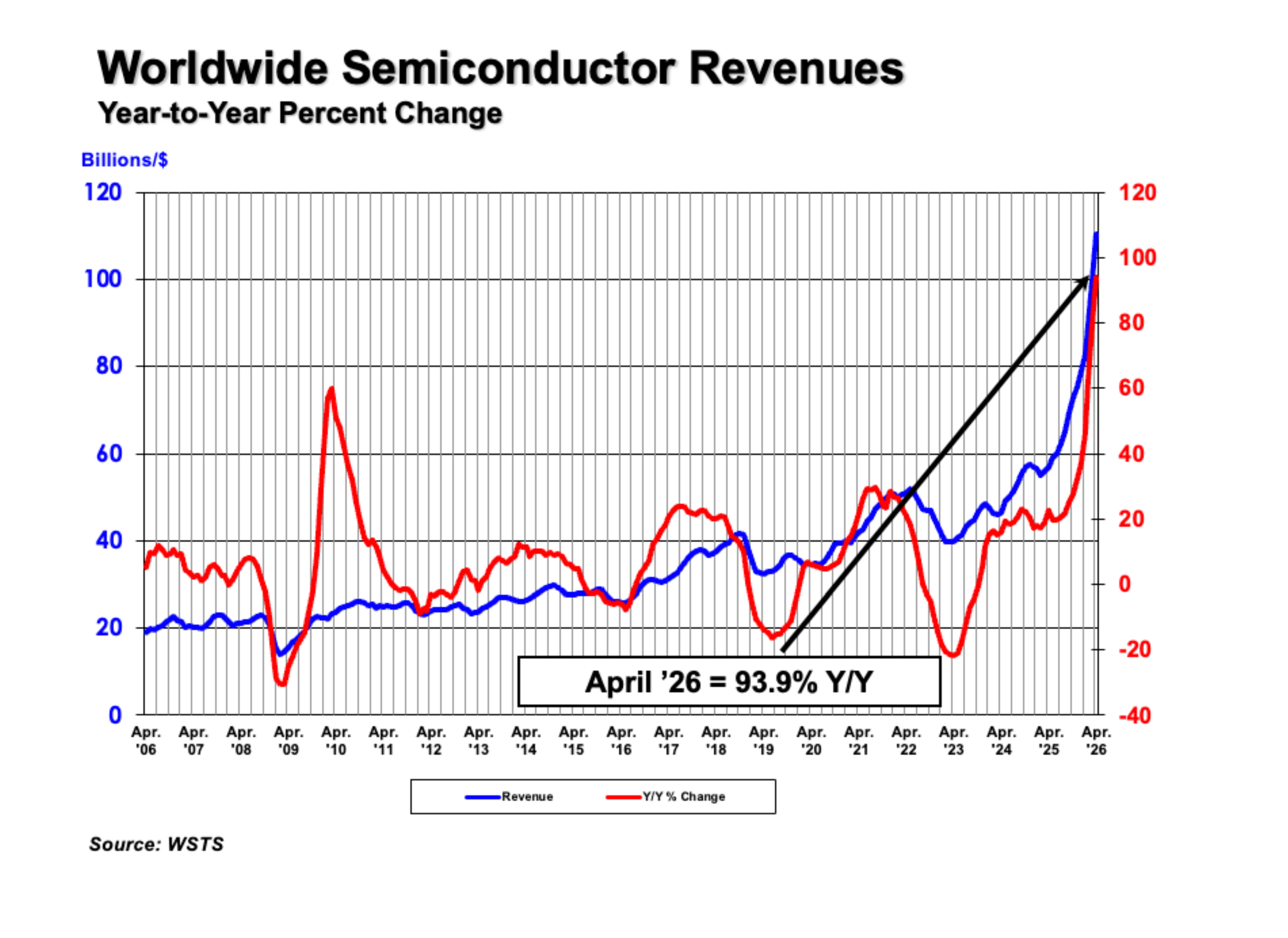
The Semiconductor Industry Association (SIA) today announced global semiconductor sales were $110.5 billion during the month of April 2026, an increase of 11% compared to the March 2026 total of $99.5
UMC held its shareholders' meeting on May 27, with CEO Jason Wang saying that as AI applications expand rapidly, long-term semiconductor demand still has room for growth. In addition to deepening


