
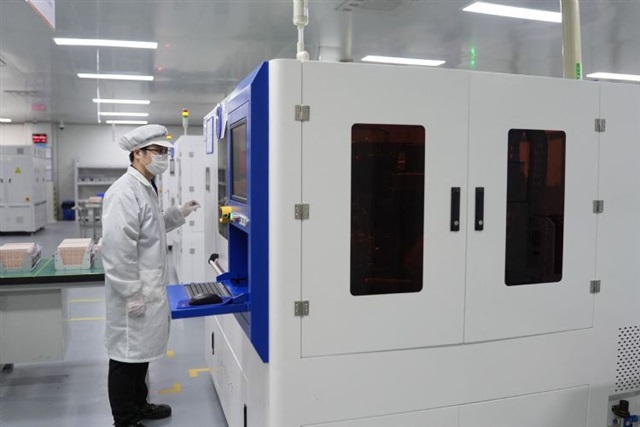
China's semiconductor industry posted CNY455 billion (approx. US$63.3 billion) in total investment during the first half of 2025, down 9.8% from a year earlier, according to a new report. Semiconductor equipment spending, however, jumped more than 53%, highlighting Beijing's push for chip self-sufficiency in the face of escalating geopolitical pressures and export controls.
Market research firm Cinno, as cited by the South China Morning Post, said wafer fabrication accounted for 51% of total investment, followed by chip design at 19% and packaging and testing at 9%. Spending on design and packaging plunged 24% and 28% year-over-year, respectively, as soft electronics demand and supply chain disruptions weighed on the sector.
Nearly 80% of investment flowed into five regions, led by Jiangsu Province with 21%, followed by Shanghai at 19%, Zhejiang at 14%, and Beijing and Hubei at 12.5% each.
The Yangtze River Delta, spanning Shanghai, Jiangsu, Zhejiang, and parts of Anhui, was noted for its integrated manufacturing and packaging ecosystem. Supportive talent policies and steady capital inflows in Shanghai and Beijing are accelerating regional semiconductor technology development.
First-half investment in semiconductor materials reached CNY16.2 billion (approx. US$2.26 billion), or 27% of total industry spending. The figure underscores a shift from traditional silicon-based materials to high-performance alternatives targeting applications in electric vehicles, 5G, and smart grids.
Cinno said China's semiconductor sector is entering a "fine cultivation" phase, with growth dependent on advances in technology, sound industrial policies, and cross-border collaboration.


Stay up to date with the latest in industry offers by subscribing us. Our newsletter is your key to receiving expert tips.
Following a record-setting year for the semiconductor industry, the start of the new year has continued the momentum, as semiconductor revenue grew 27% in 1Q26 from 4Q25 to reach US$319bn, according t
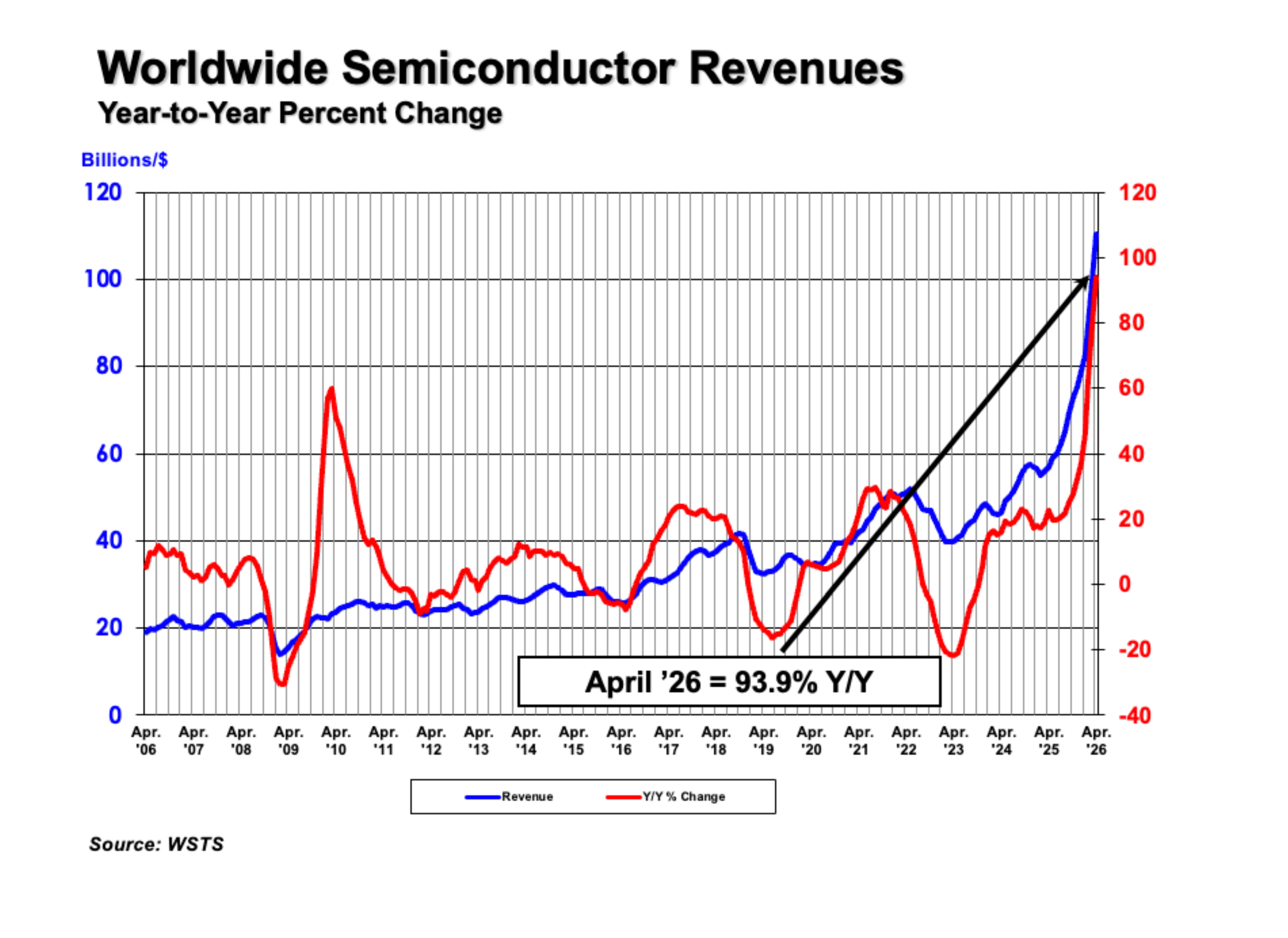
The Semiconductor Industry Association (SIA) today announced global semiconductor sales were $110.5 billion during the month of April 2026, an increase of 11% compared to the March 2026 total of $99.5
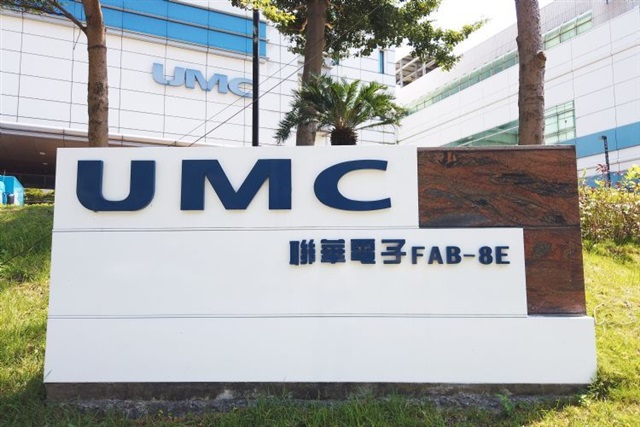
UMC held its shareholders' meeting on May 27, with CEO Jason Wang saying that as AI applications expand rapidly, long-term semiconductor demand still has room for growth. In addition to deepening


