
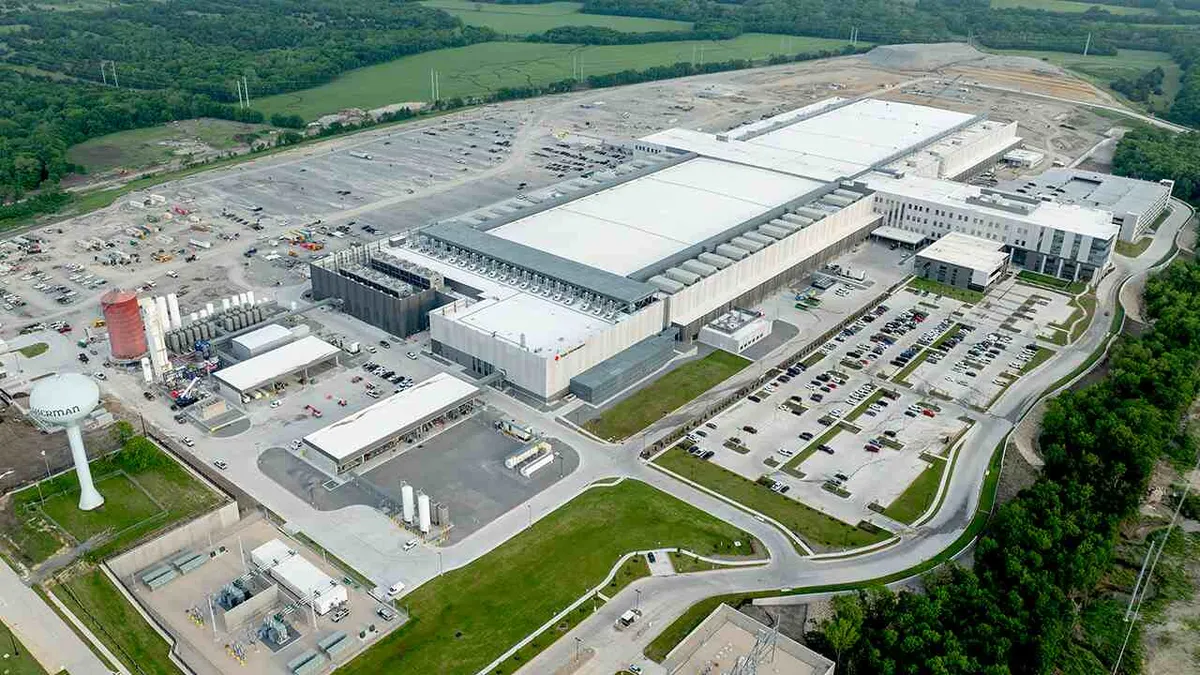
TI is one of the largest foundational semiconductor manufacturing companies in the U.S., producing analog and embedded processing chips for smartphones, vehicles, data centers, satellites and other electronic devices.
The world’s leading countries are racing to establish themselves as dominant players in the semiconductor space as artificial intelligence technologies advance and transform peoples’ lives. The Department of Commerce awarded up to $1.6 billion in funding through the CHIPS and Science Act for TI’s new fabs.
“President Trump has made it a priority to increase semiconductor manufacturing in America — including these foundational semiconductors that go into the electronics that people use every day,” Commerce Secretary Howard Lutnick said in a statement. “Our partnership with TI will support U.S. chip manufacturing for decades to come.”
At full capacity, TI’s seven new fabs will be able to manufacture hundreds of millions of chips daily, according to a release. The company is actively ramping and constructing the fabs across its Texas and Utah locations, with the SM1 fab in Sherman expected to begin production this year.
“Leading U.S. companies such as Apple, Ford, Medtronic, NVIDIA and SpaceX rely on TI’s world-class technology and manufacturing expertise, and we are honored to work alongside them and the U.S. government to unleash what’s next in American innovation,” Haviv Ilan, president and CEO of TI, said in a statement.
TI is one of the chipmakers increasing their investments to secure funding from the CHIPS and Science Act as Lutnick renegotiates contractual terms. In March, Taiwan Semiconductor Manufacturing Co., which secured $6.6 billion in CHIPS funds, said it will invest an additional $100 billion in U.S. manufacturing on top of a previously announced $65 billion.


Stay up to date with the latest in industry offers by subscribing us. Our newsletter is your key to receiving expert tips.
Following a record-setting year for the semiconductor industry, the start of the new year has continued the momentum, as semiconductor revenue grew 27% in 1Q26 from 4Q25 to reach US$319bn, according t
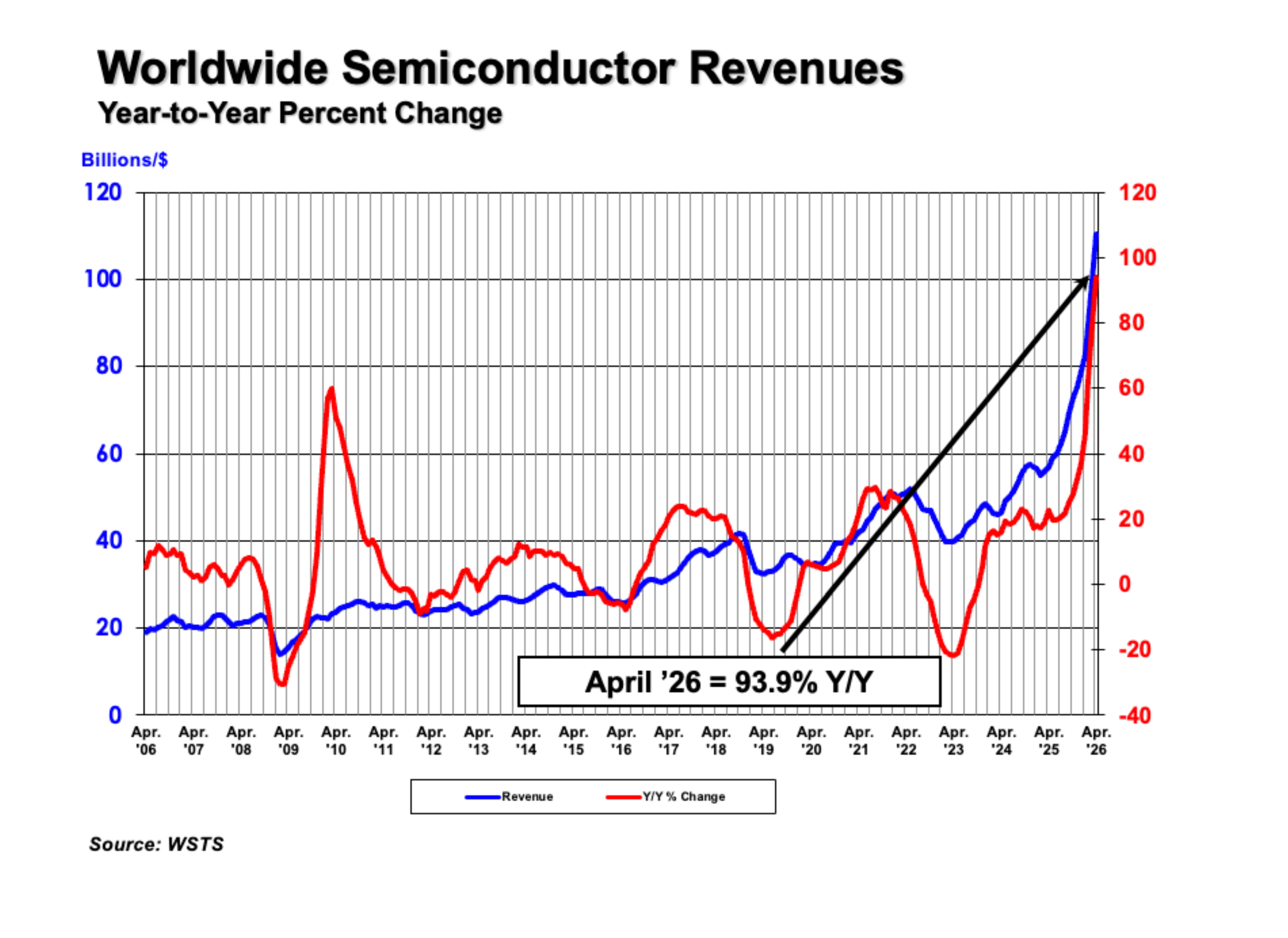
The Semiconductor Industry Association (SIA) today announced global semiconductor sales were $110.5 billion during the month of April 2026, an increase of 11% compared to the March 2026 total of $99.5
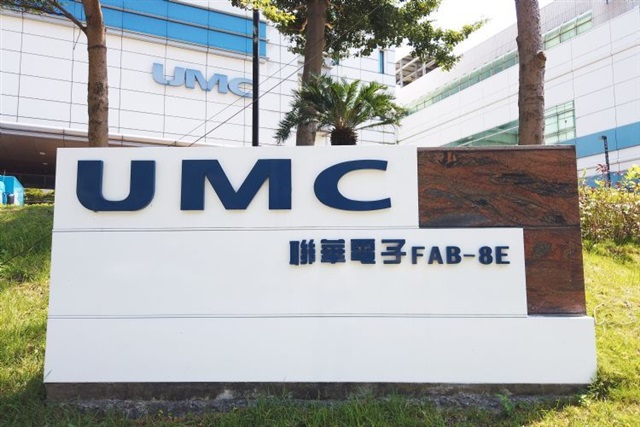
UMC held its shareholders' meeting on May 27, with CEO Jason Wang saying that as AI applications expand rapidly, long-term semiconductor demand still has room for growth. In addition to deepening


